Jute Rugs - Imam Carpet Co

Jute Rugs

142 products
142 products

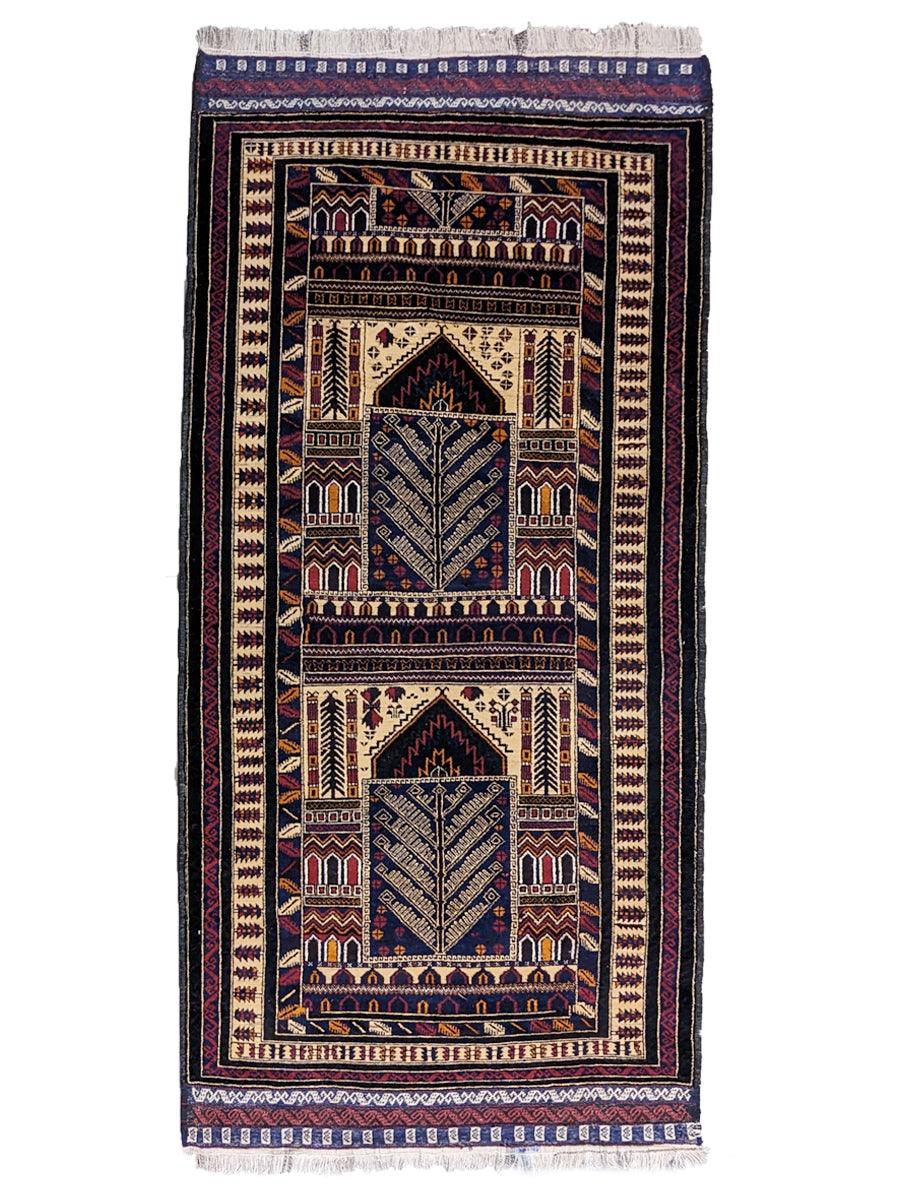
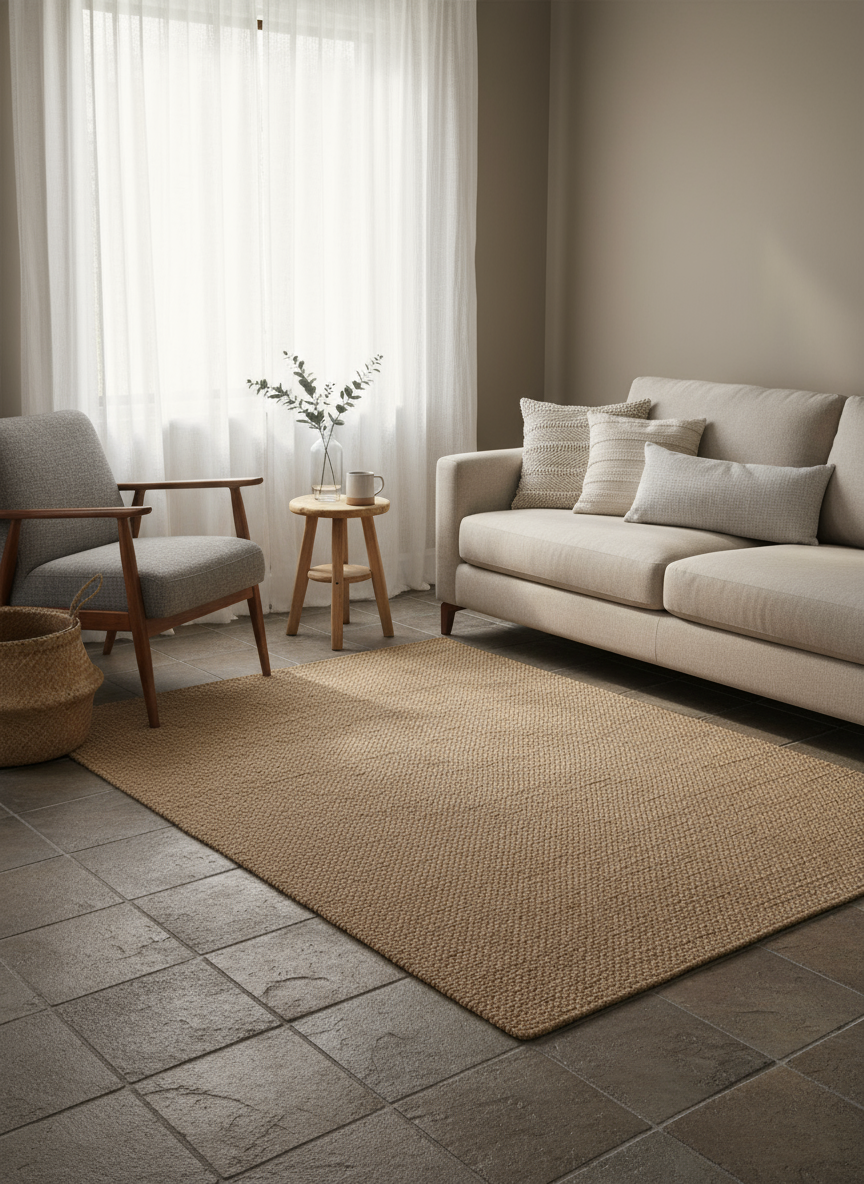
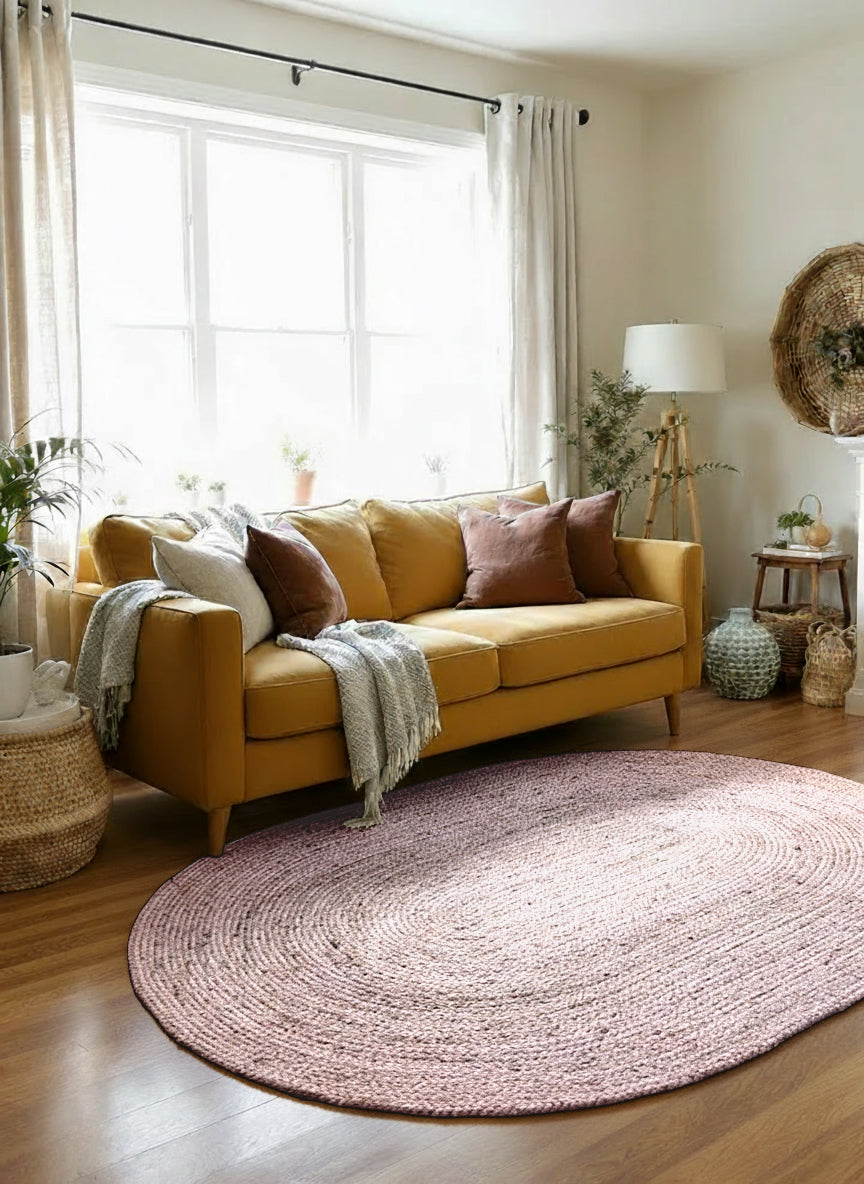
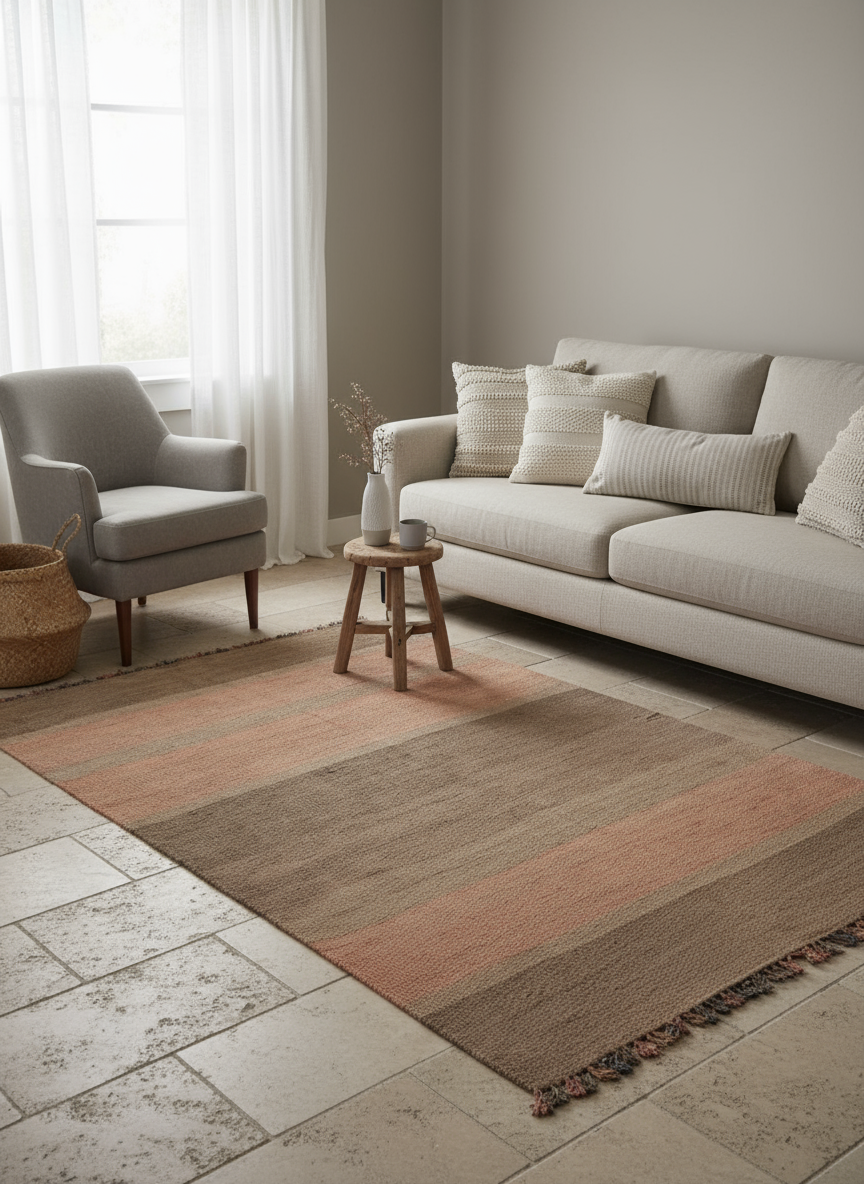
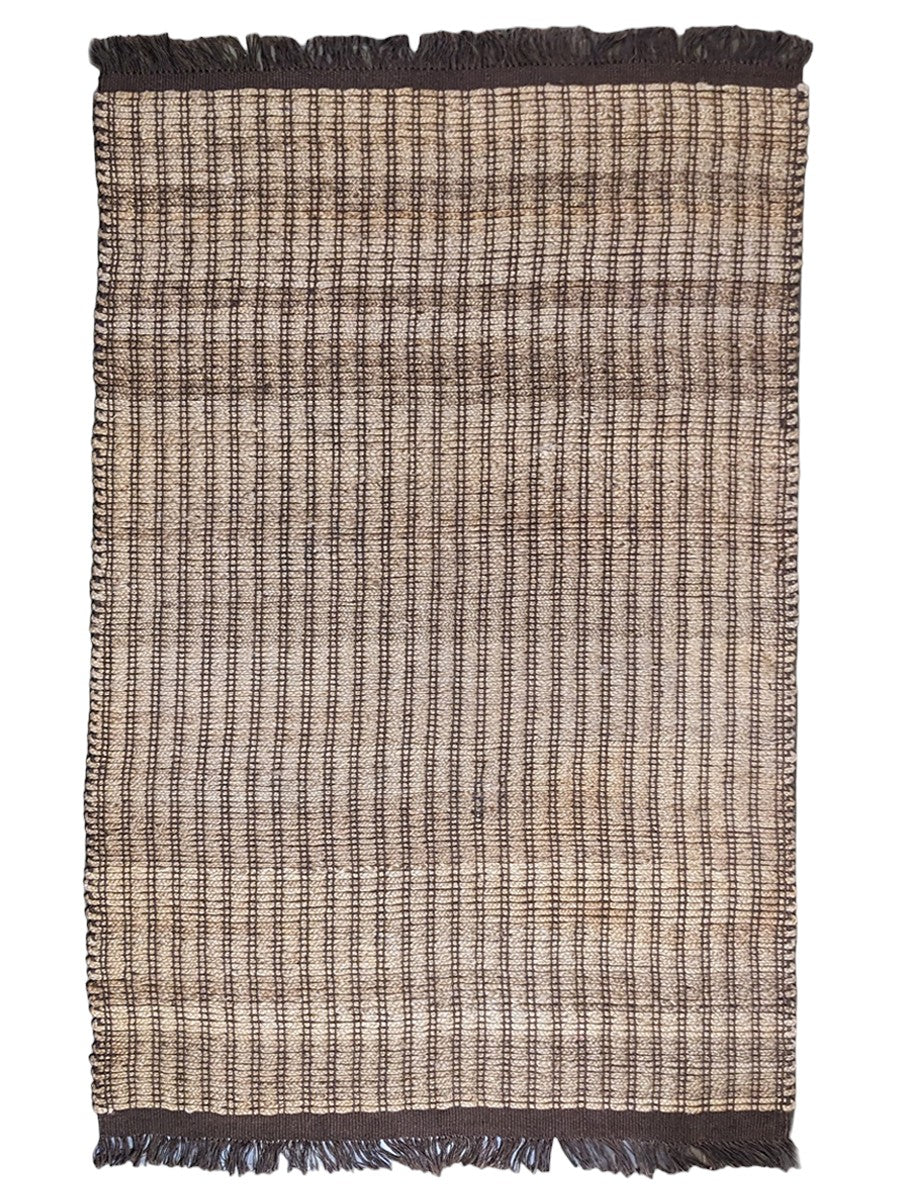
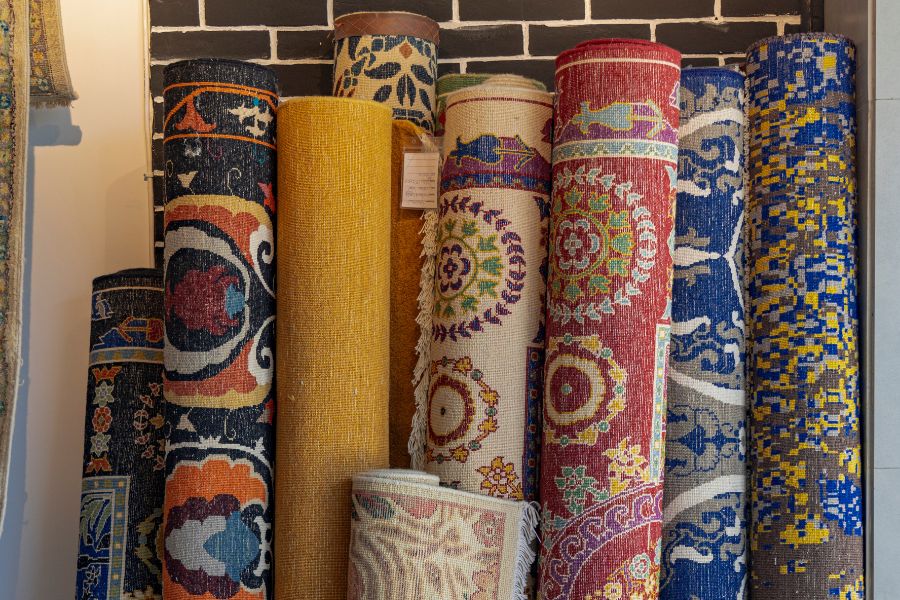
Transform your space into an oasis of natural serenity with jute rugs from Imam Carpets, a Pakistani carpet house since 1952. Every rug here is made from jute, the fibre of the jute plant, in a braided, flatweave, loop or chunky construction, in natural or overdyed colours. Each listing shows its exact size in feet and inches, so you can measure your room and choose with confidence.

Recently viewed

About Our Jute Rugs

Jute rugs bring an earthy, natural texture into a room, in a fibre that is renewable and biodegradable. This guide covers how jute rugs look, where to place them, how to care for them, and how jute compares with sisal, so you can choose the right one for your room.

New to jute? Read What Are Jute Rugs? A Complete Guide for how they are made and how each construction wears.

Jute rugs have become a first choice for natural-fibre flooring. Here is what draws people to them.

The Natural Elegance

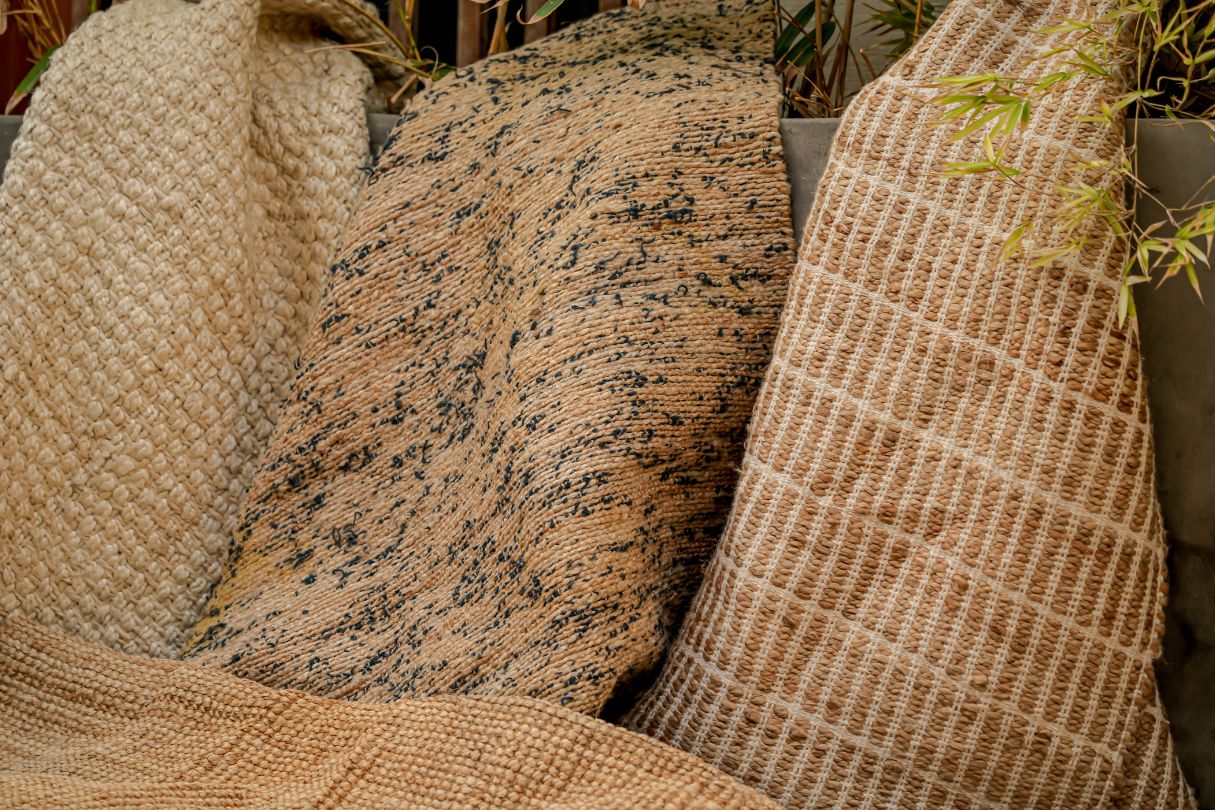
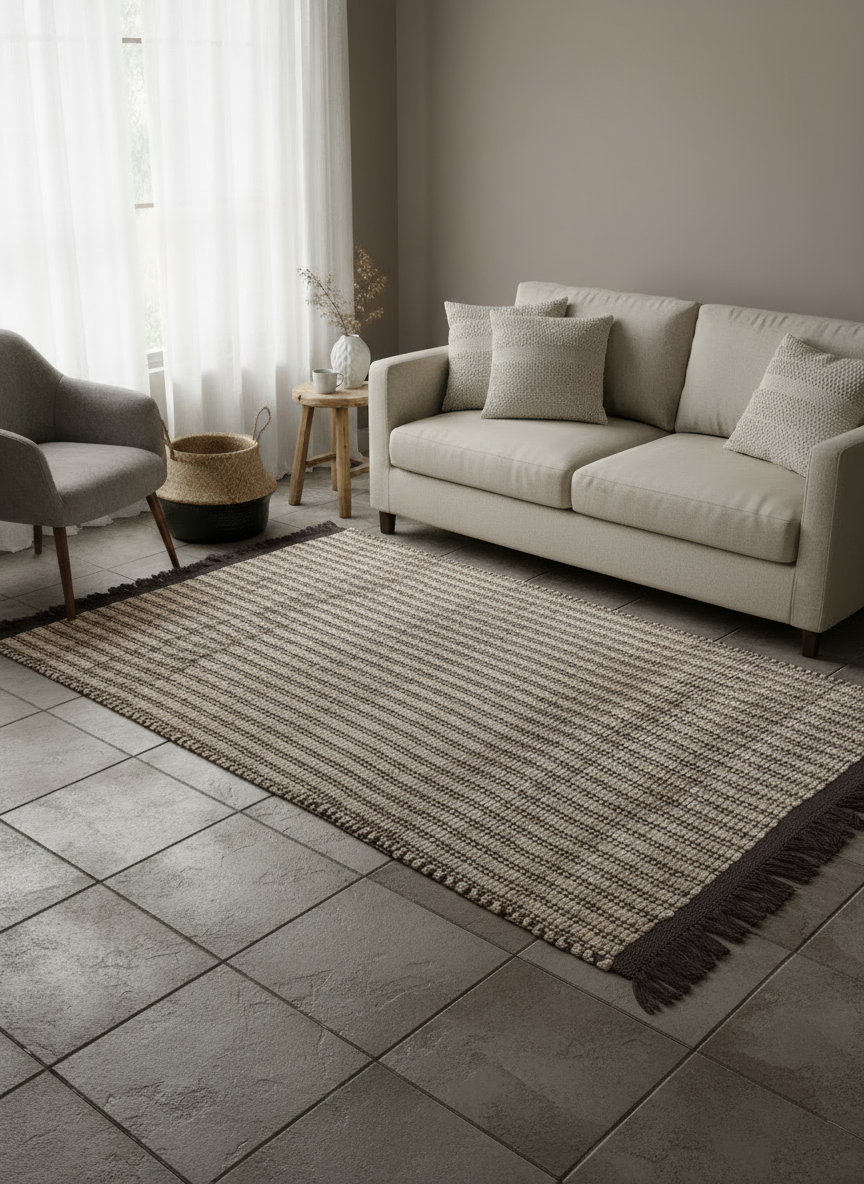
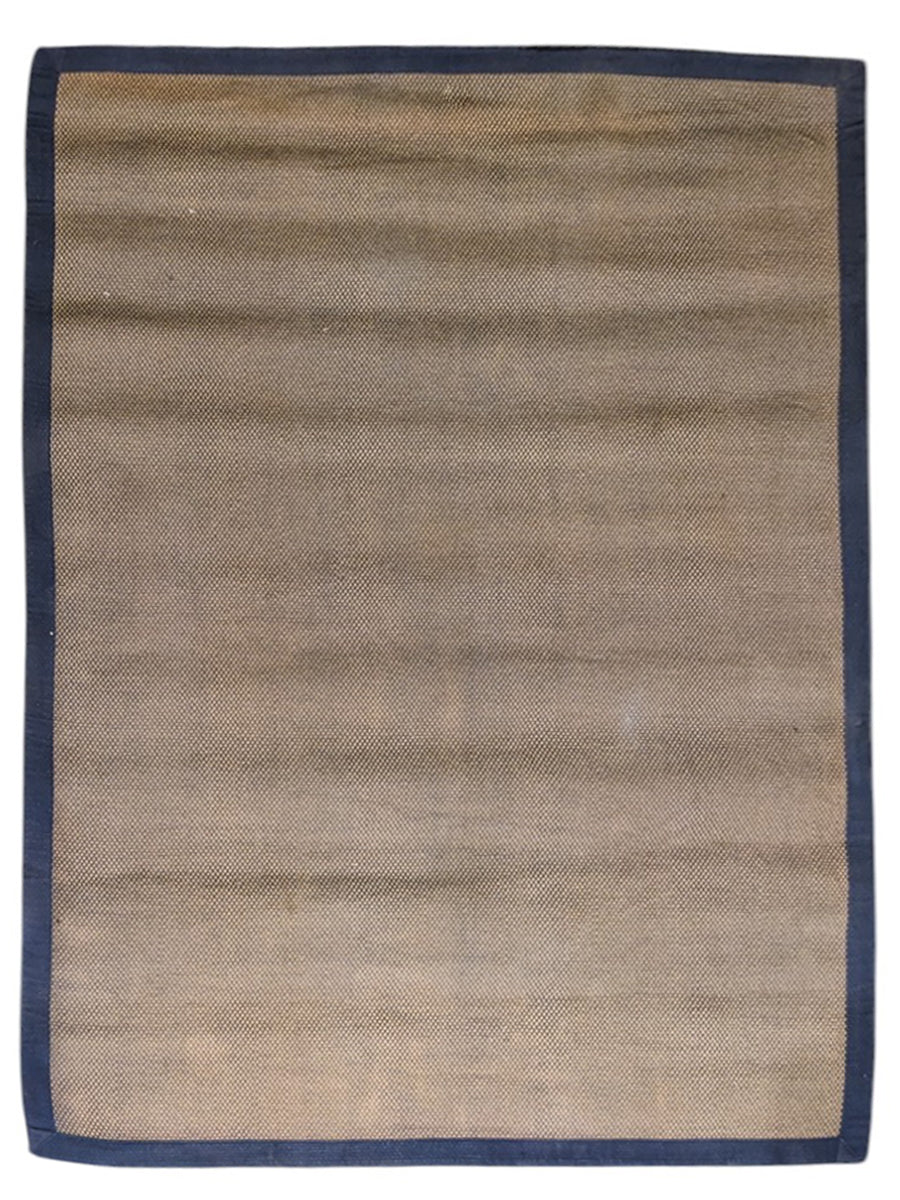
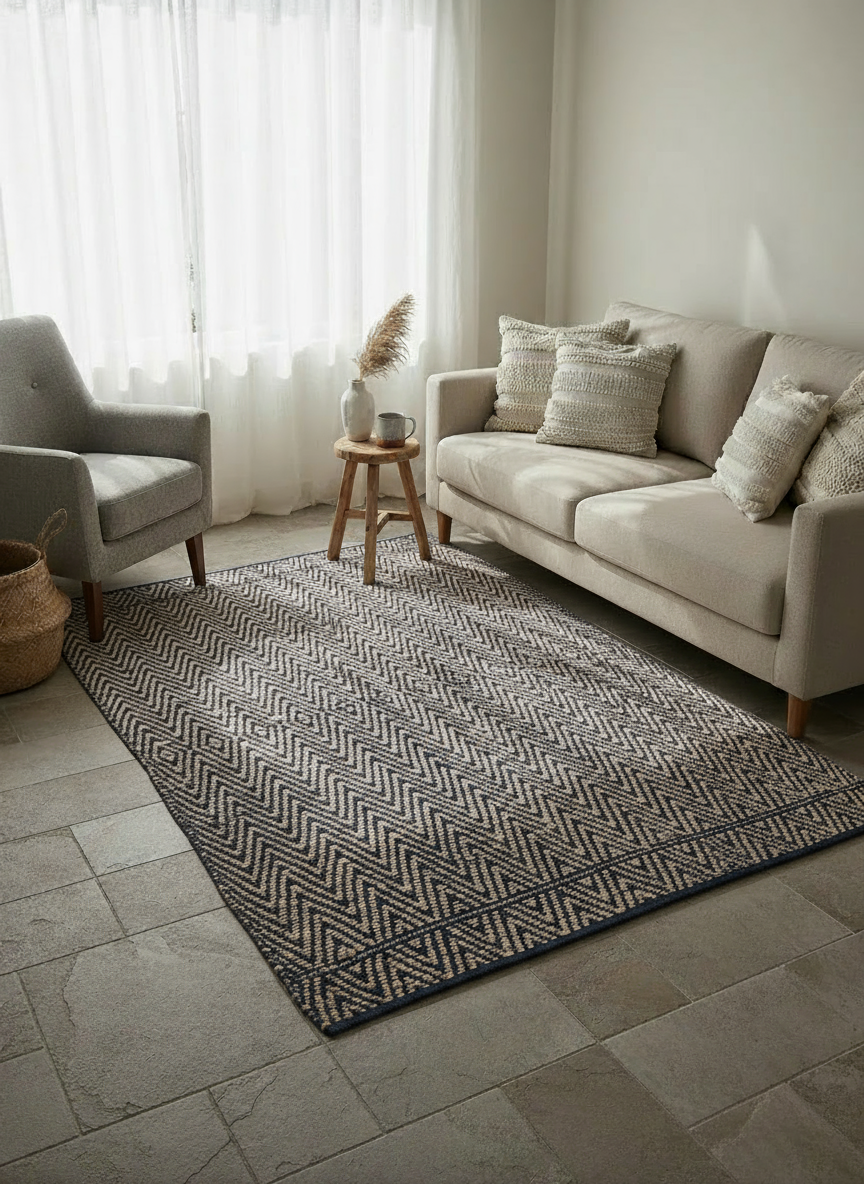
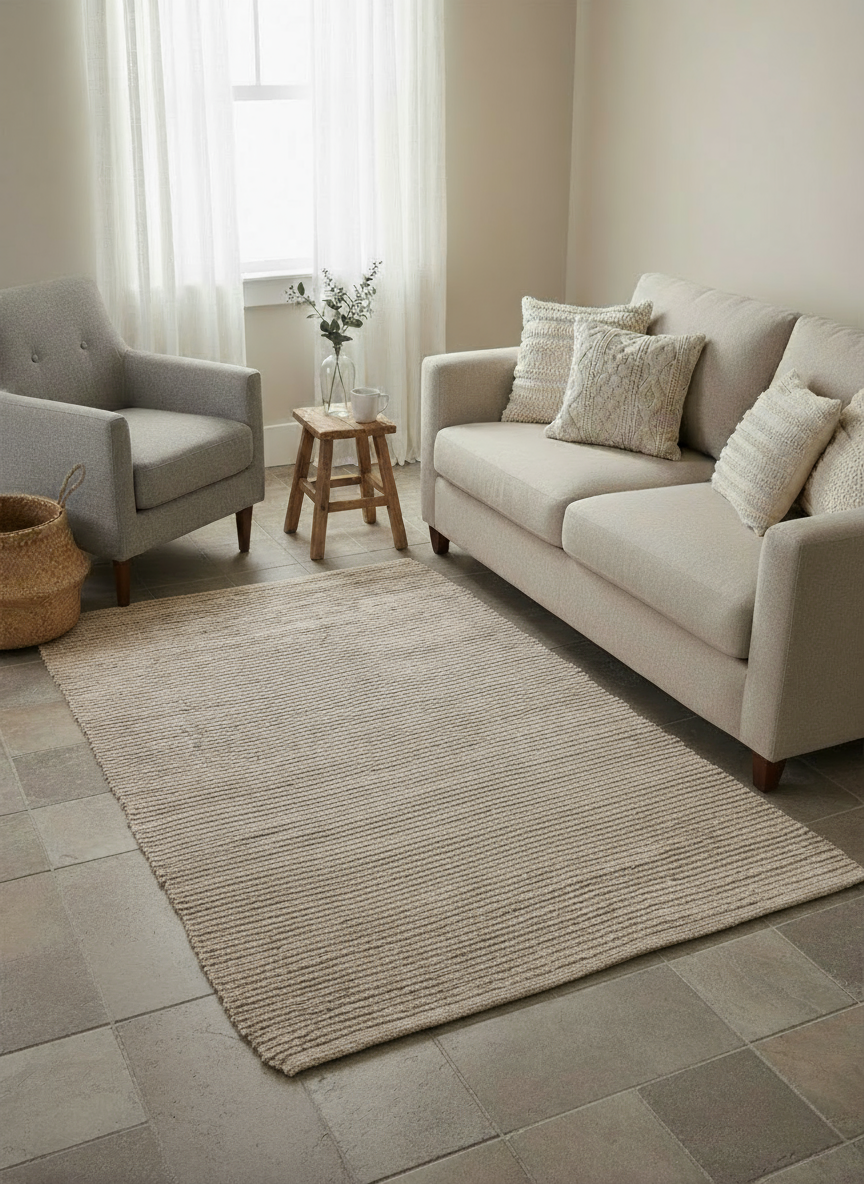
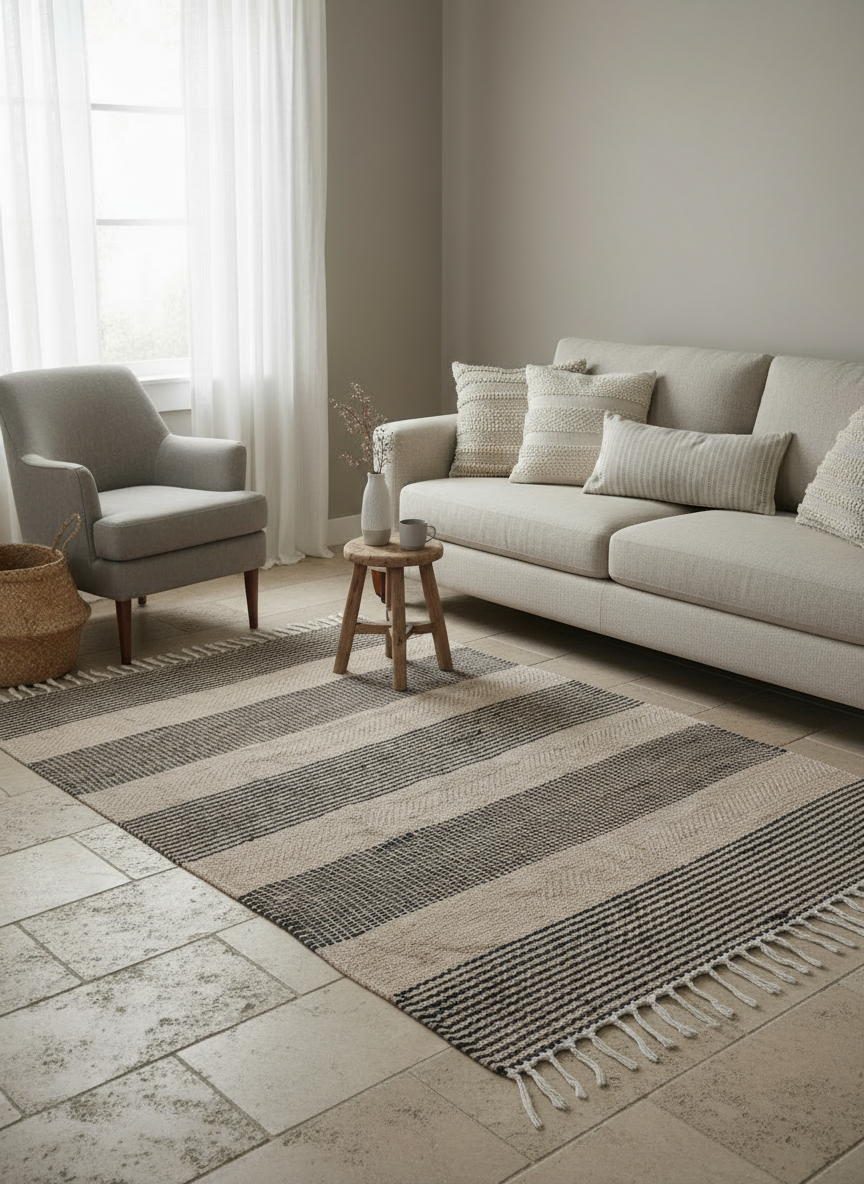
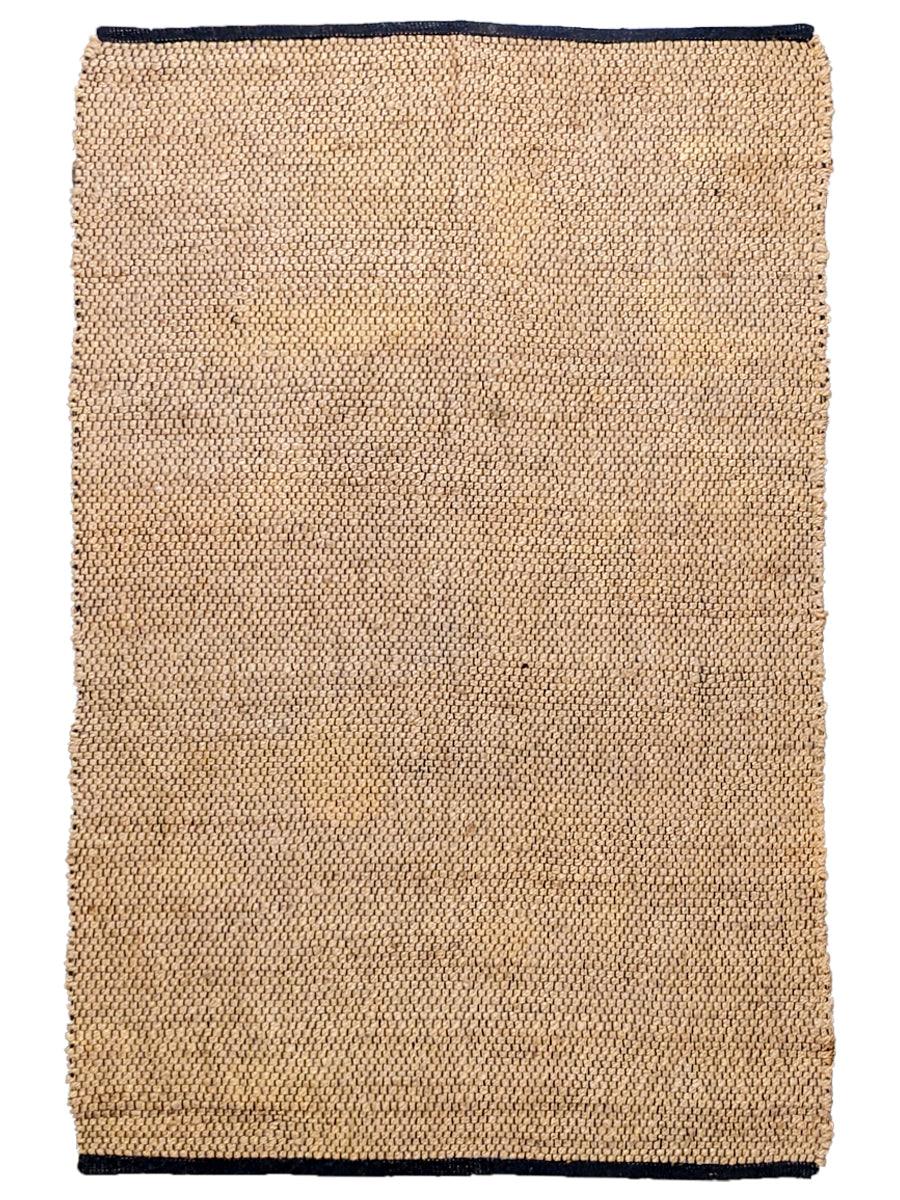
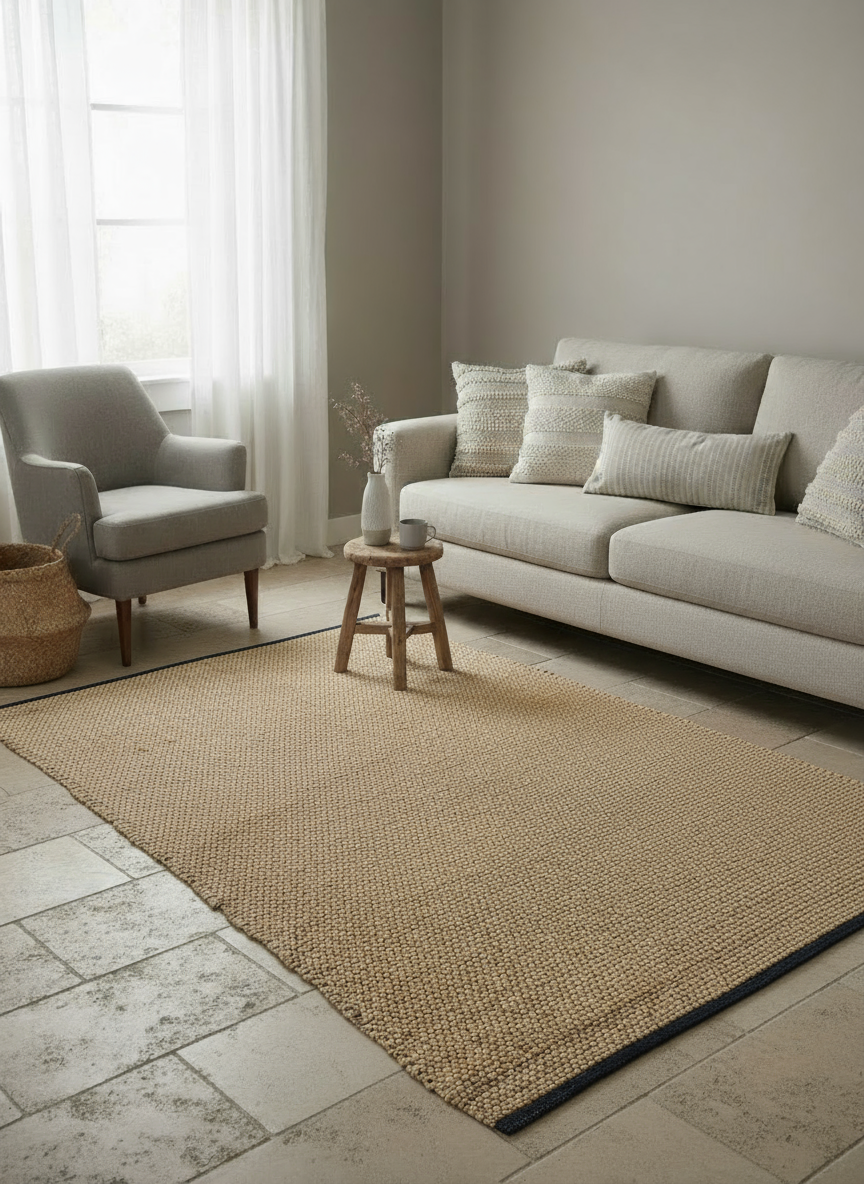
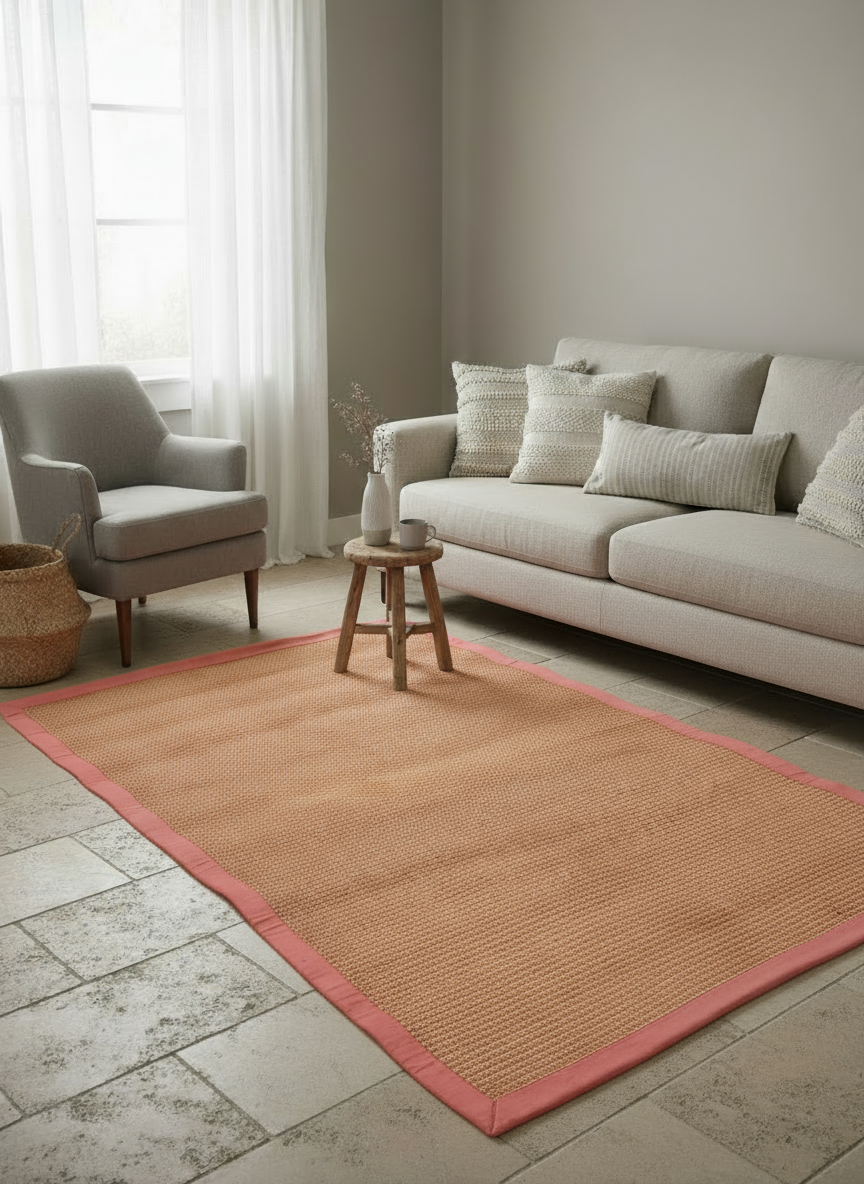
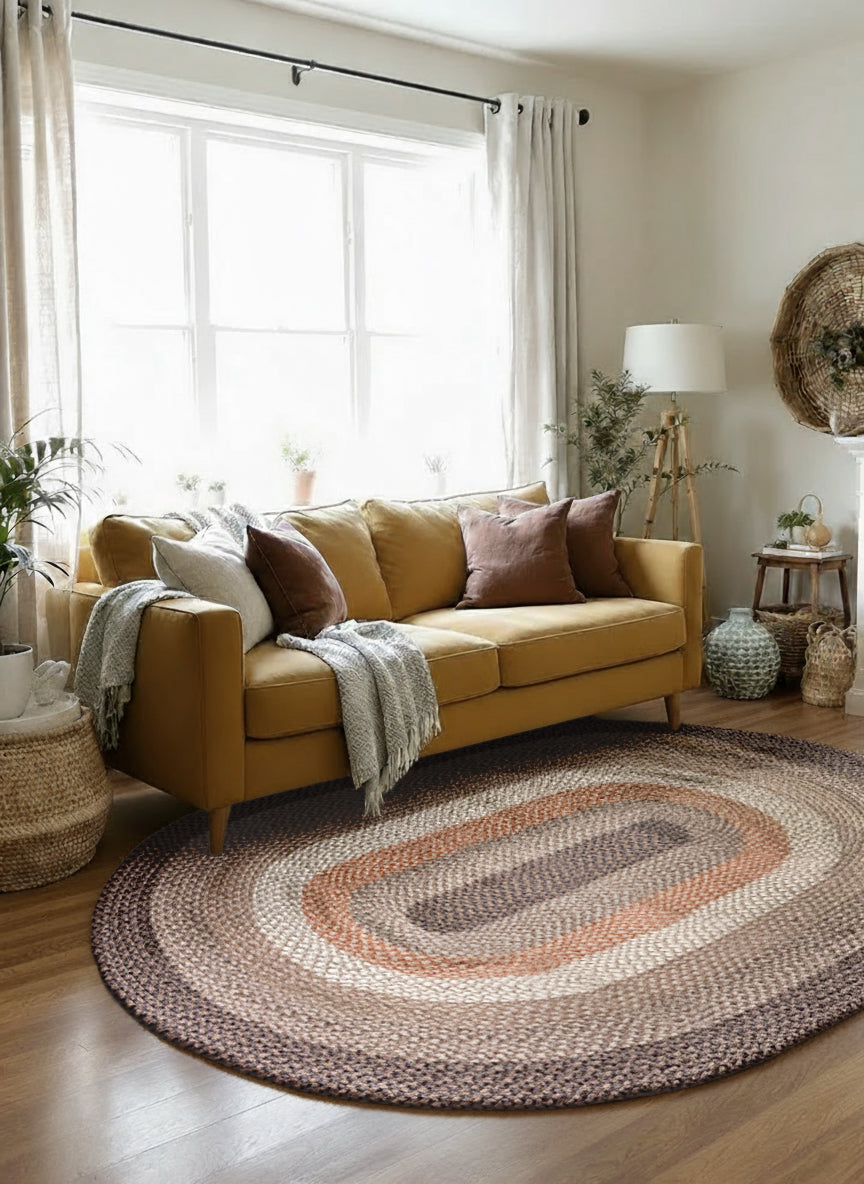
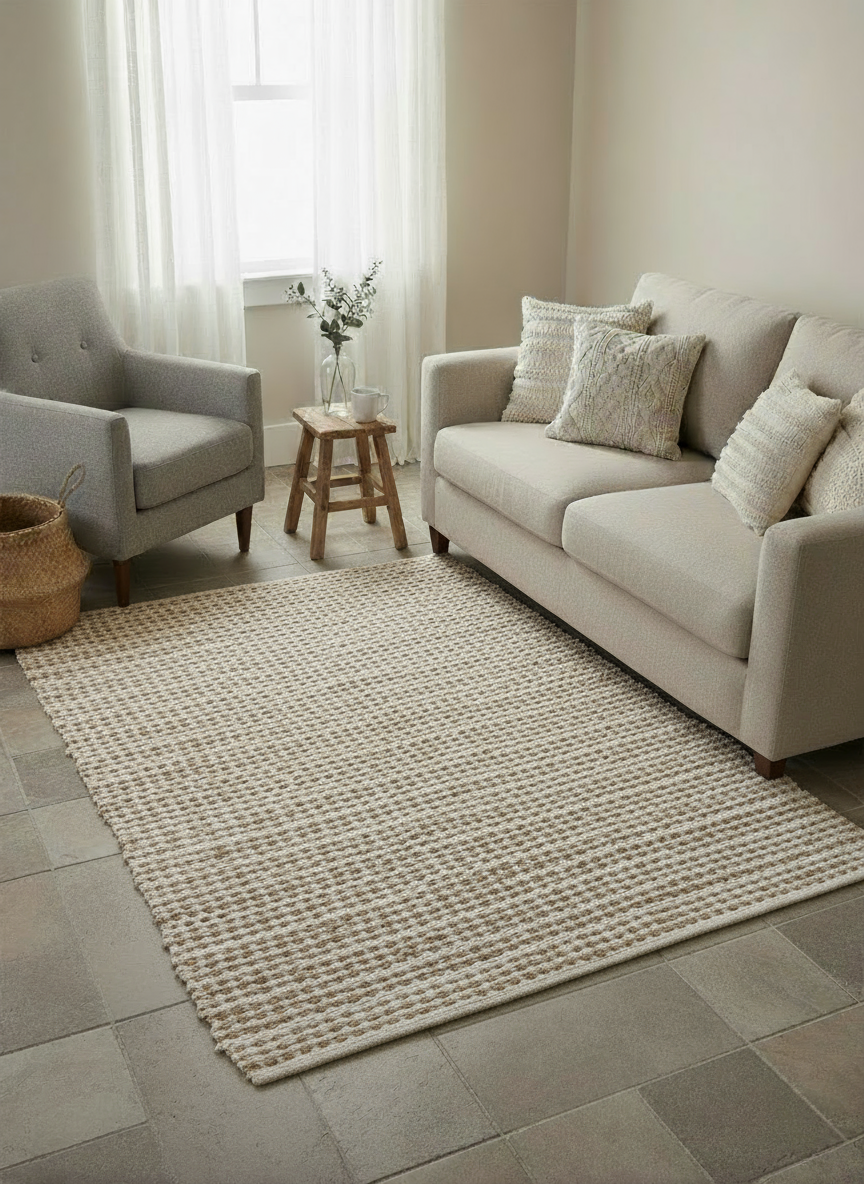
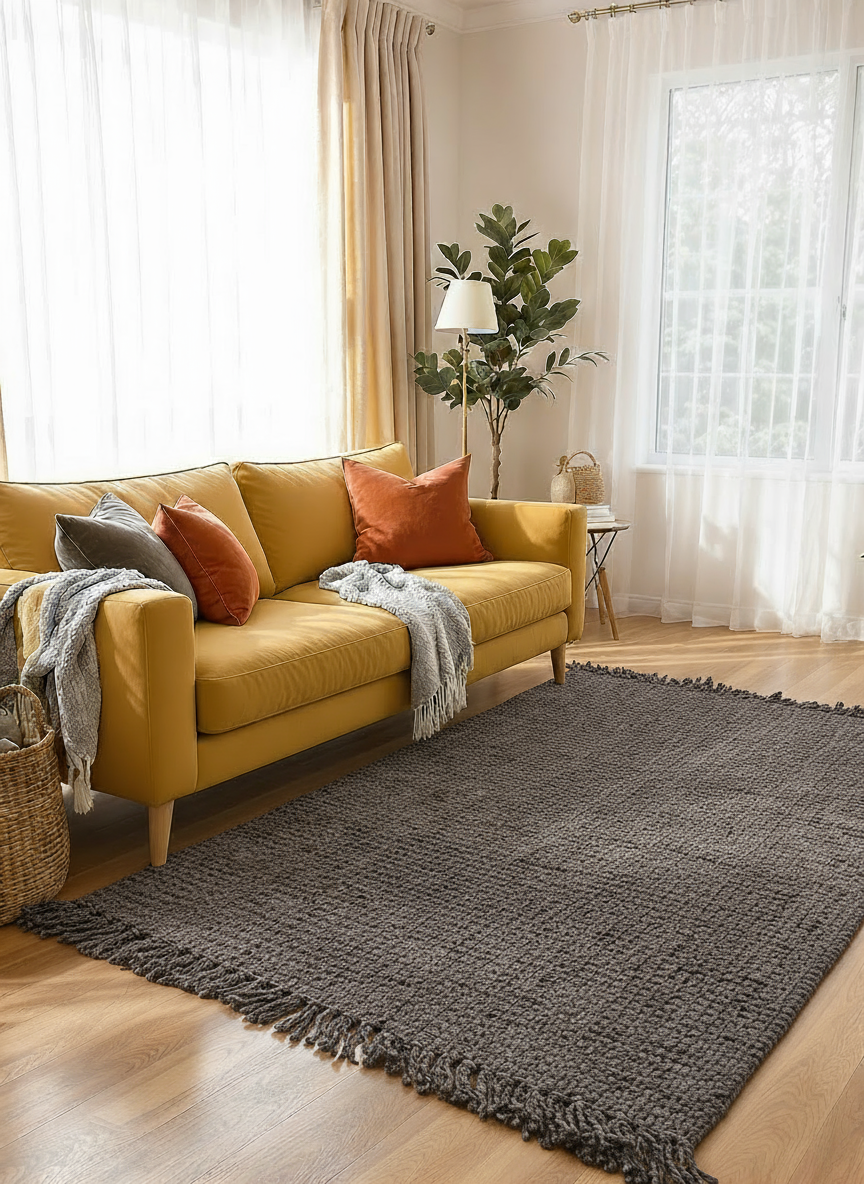
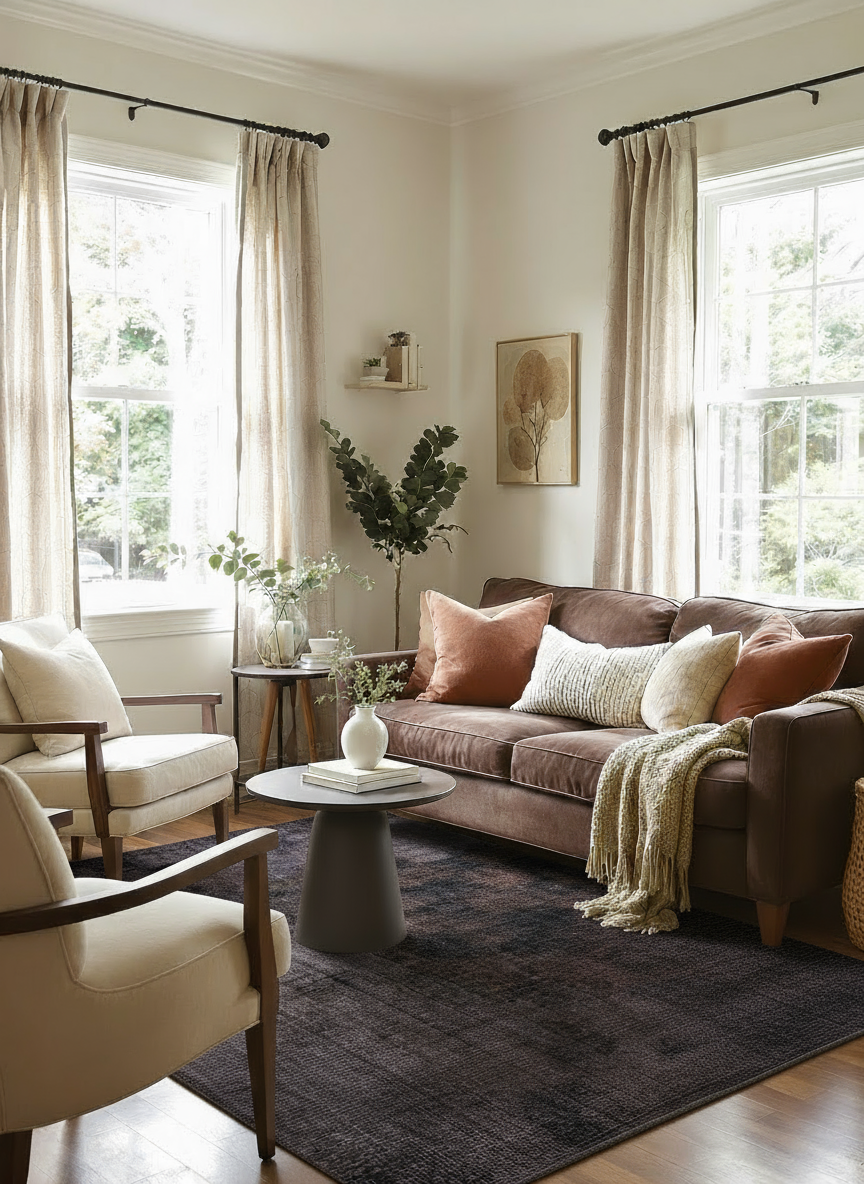
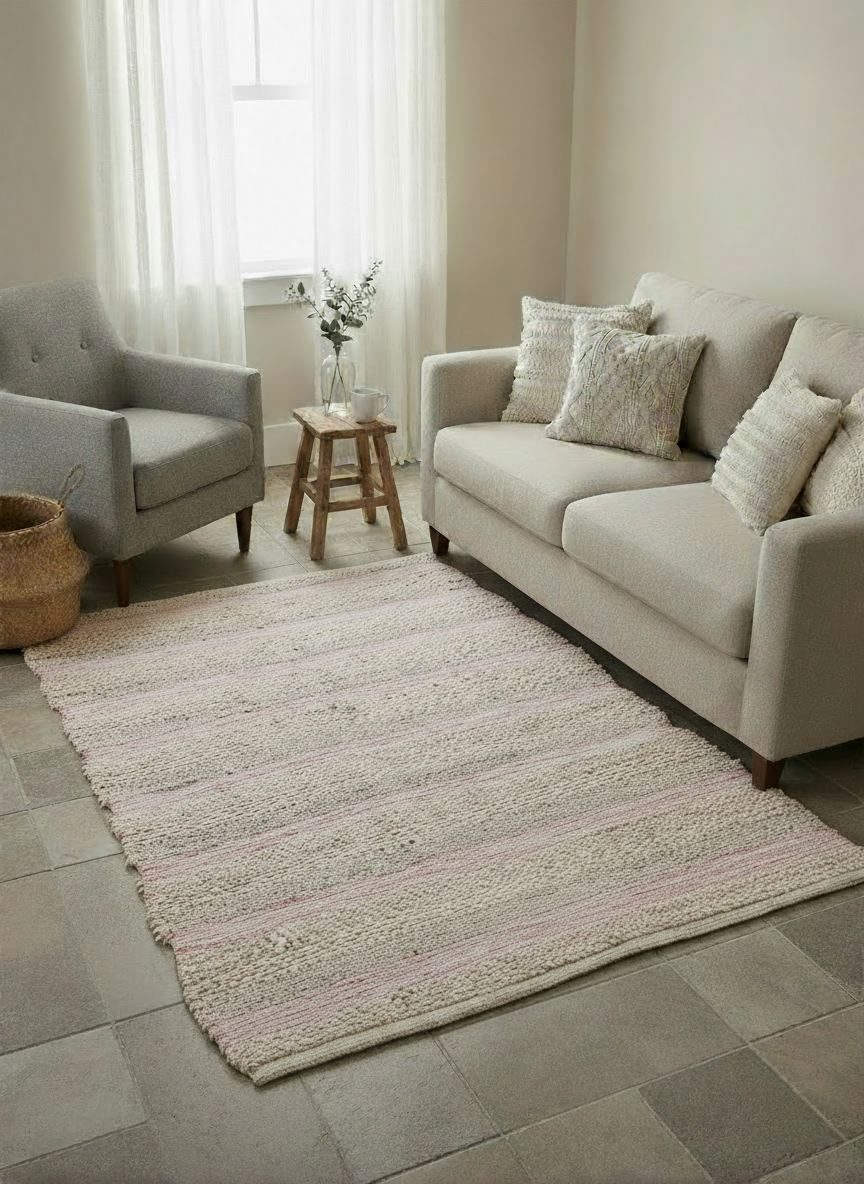
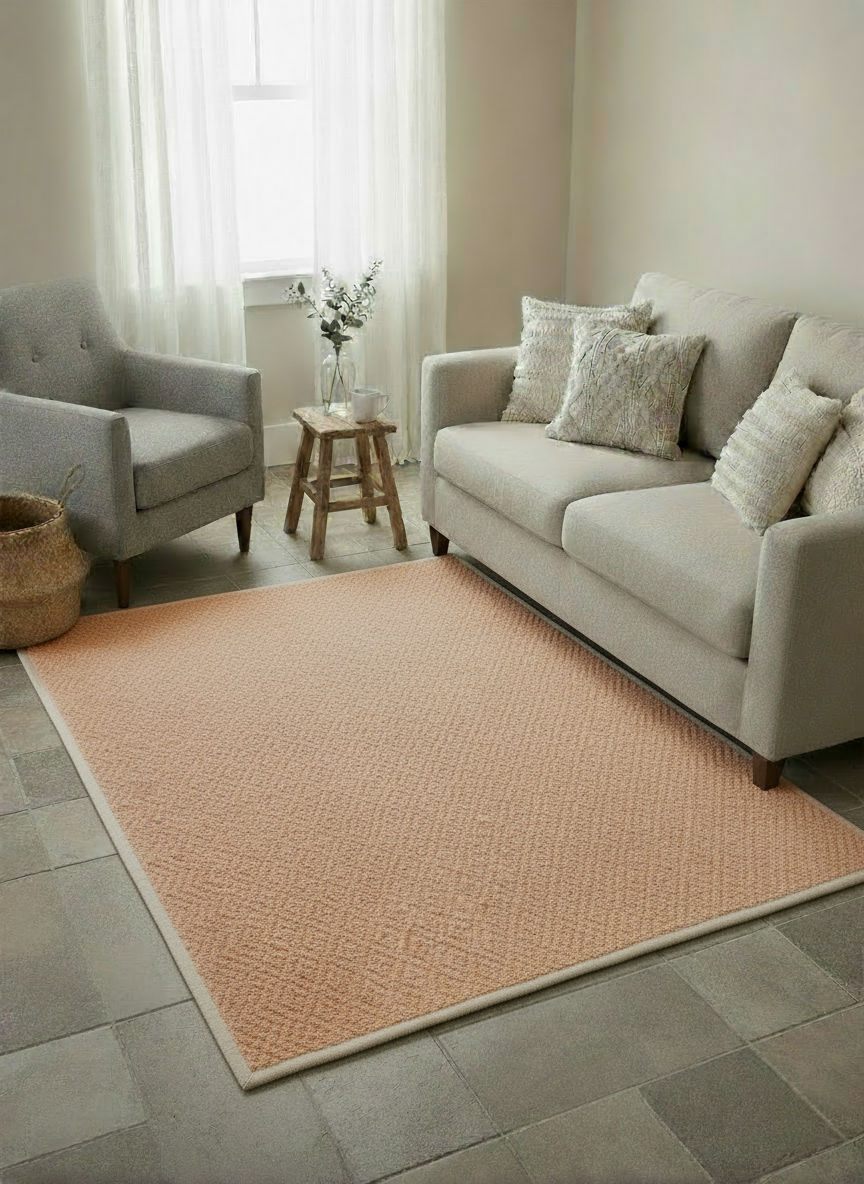
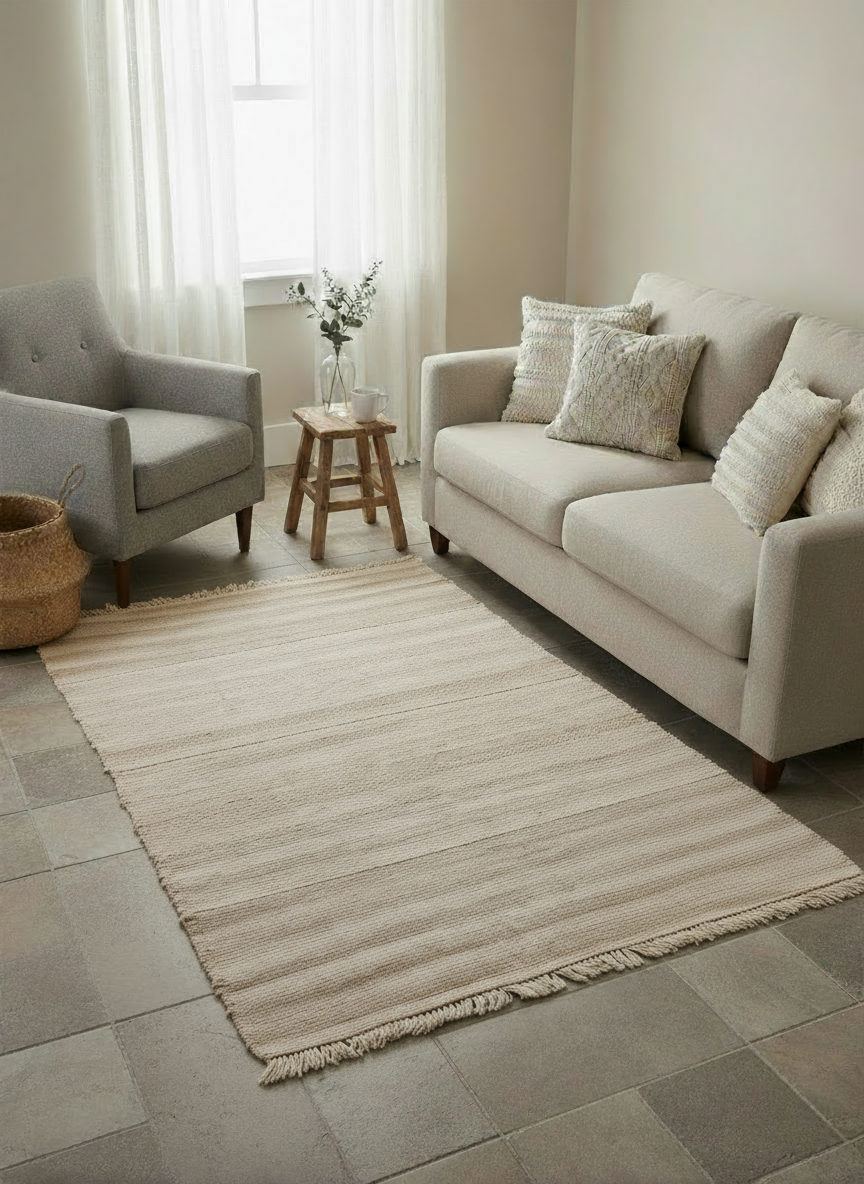
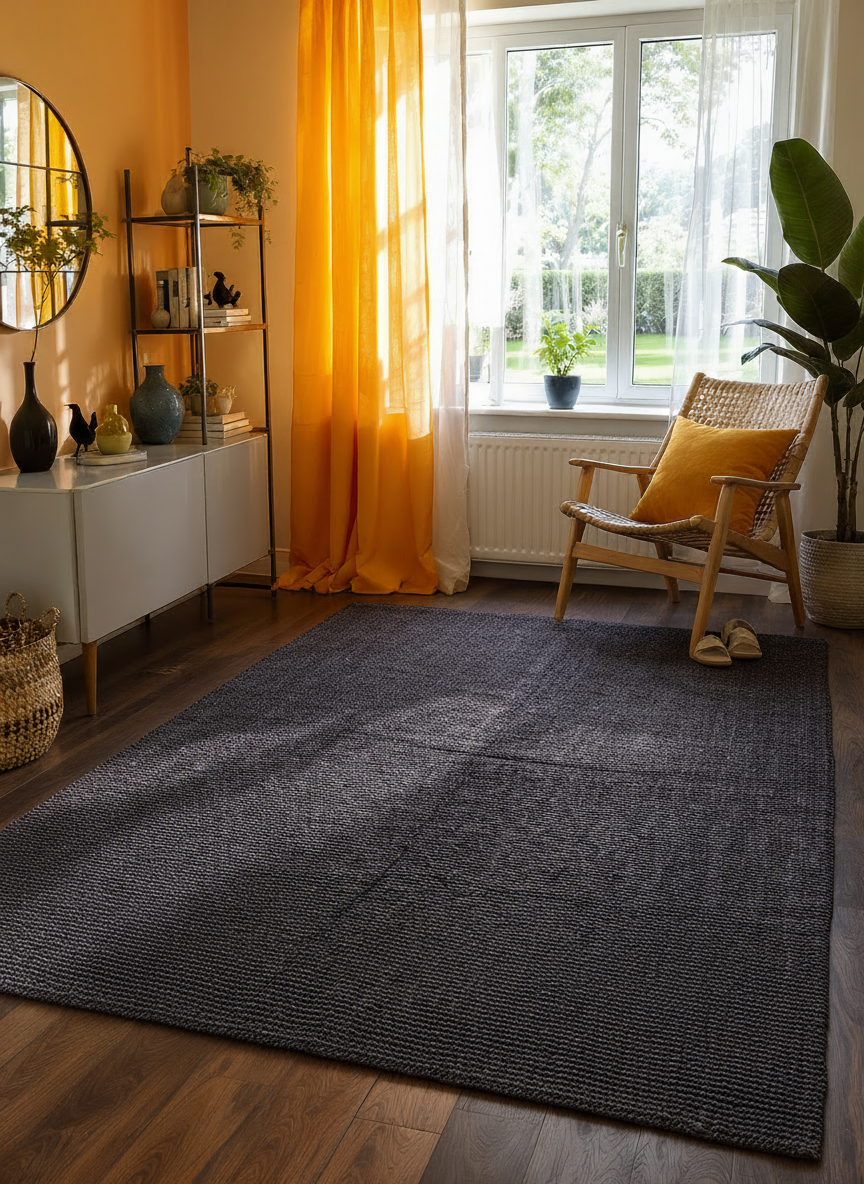
Jute has earthy, golden-brown tones and a rustic, textured surface. Braided, flatweave, loop and chunky constructions each give a different look, and overdyed jute adds colour while keeping the natural texture. That range lets jute sit in most interior styles.

Sustainability at Its Best

Jute is the fibre of the jute plant. It is renewable and biodegradable, so a jute rug returns to the soil at the end of its life instead of lingering as plastic.

Plant Fibre, Underfoot

Jute is a soft, fine plant fibre, gentler underfoot than sisal. It suits bedrooms and living rooms where you spend time barefoot.

Once you have chosen jute, here is how to place it in your home.

The Centerpiece

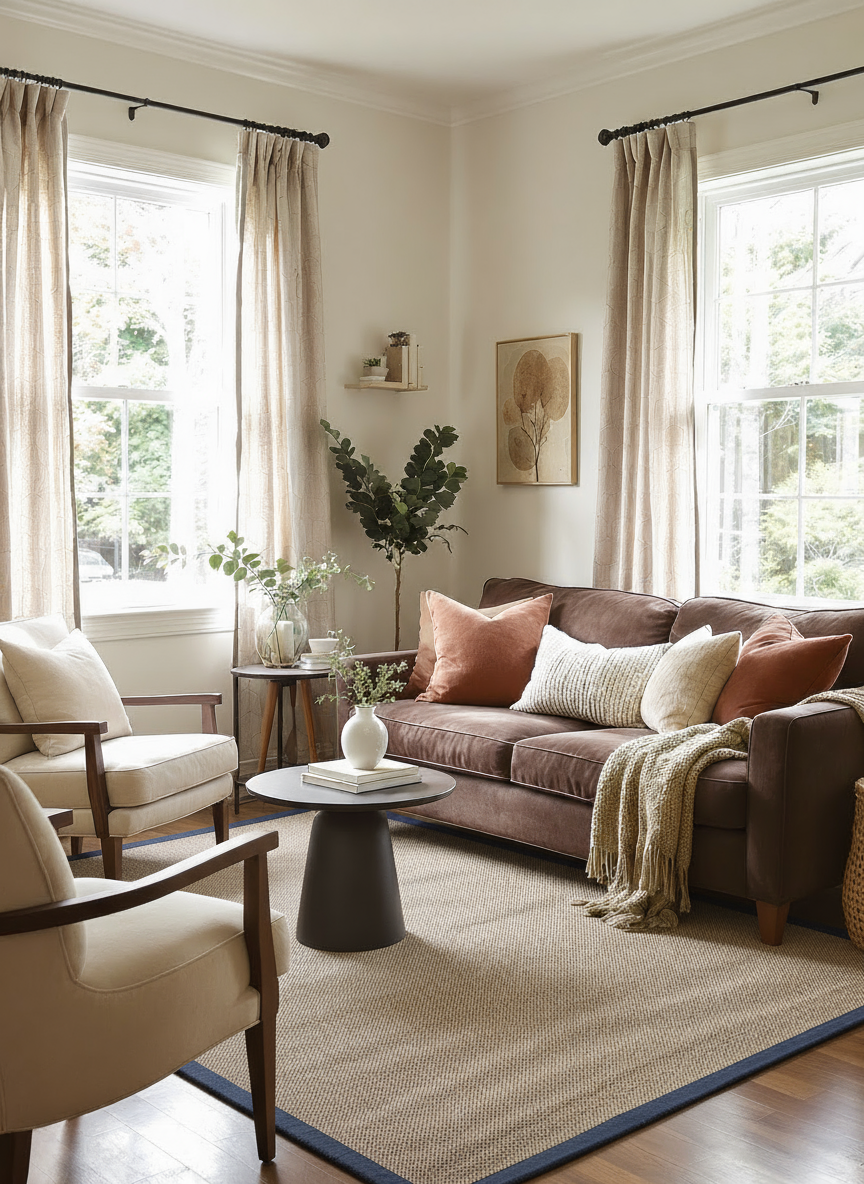
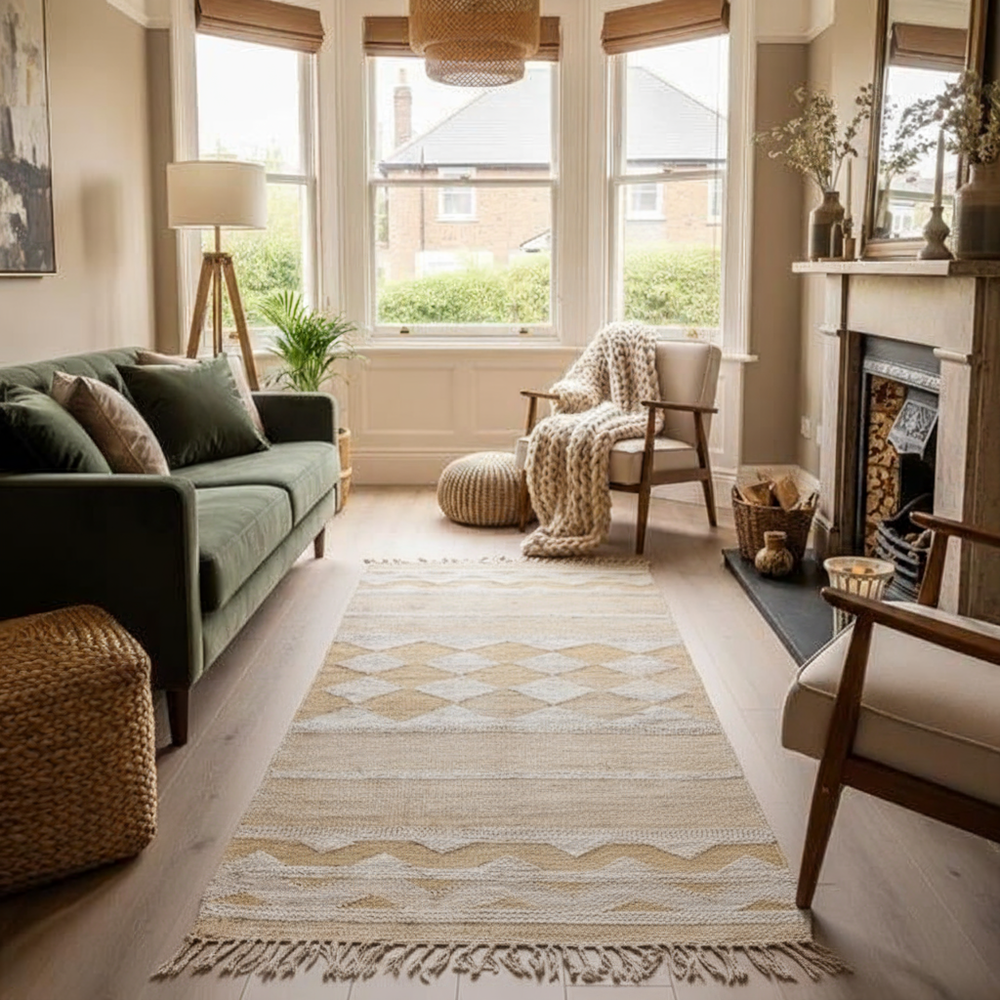
Make your jute rug the centerpiece of the room by choosing one with a bold weave or a contrasting border. It draws the eye and adds depth to the room.

Layering Magic

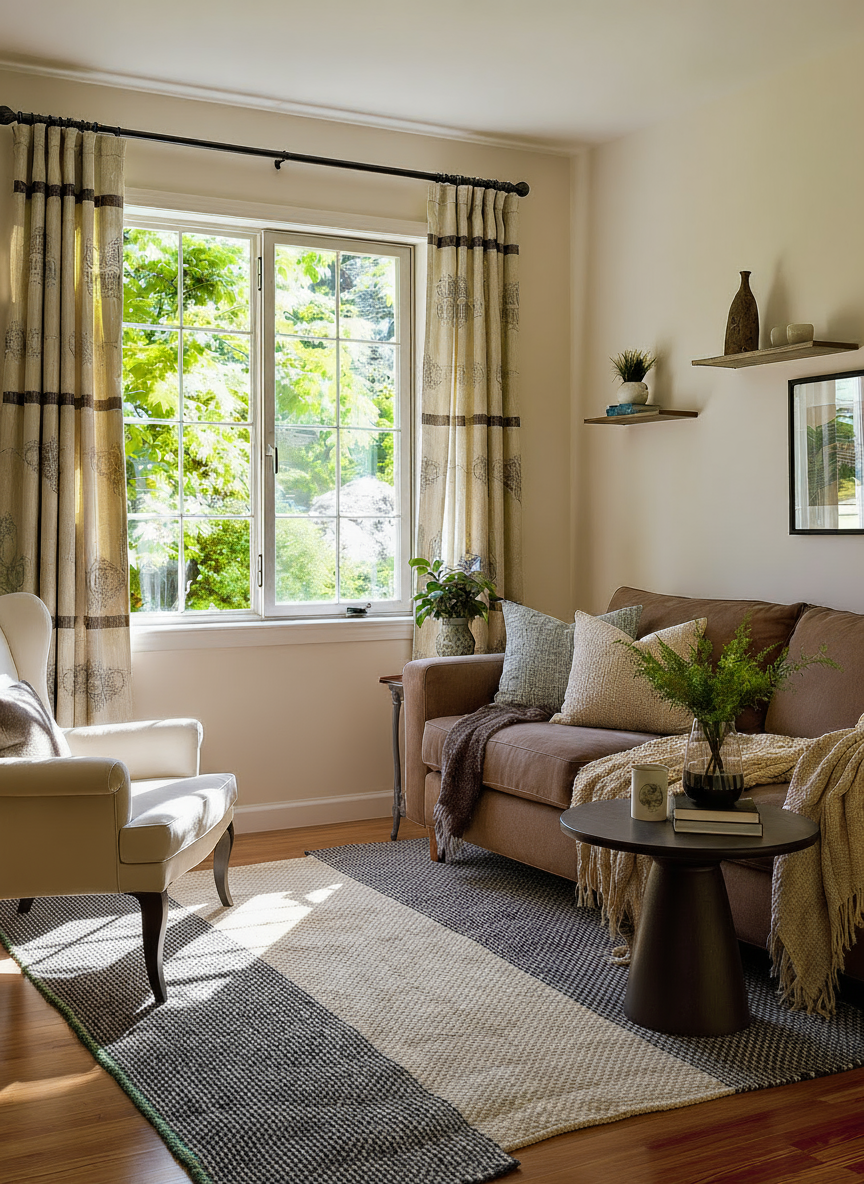
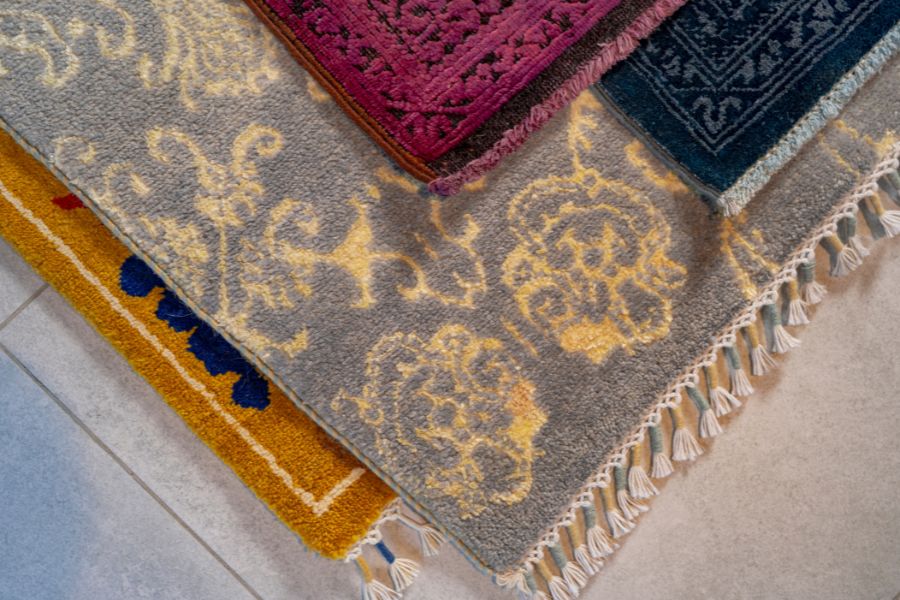
For an eclectic look, layer a smaller, brightly coloured rug over your jute rug. The contrast in texture and colour adds depth to the space.

Size Matters

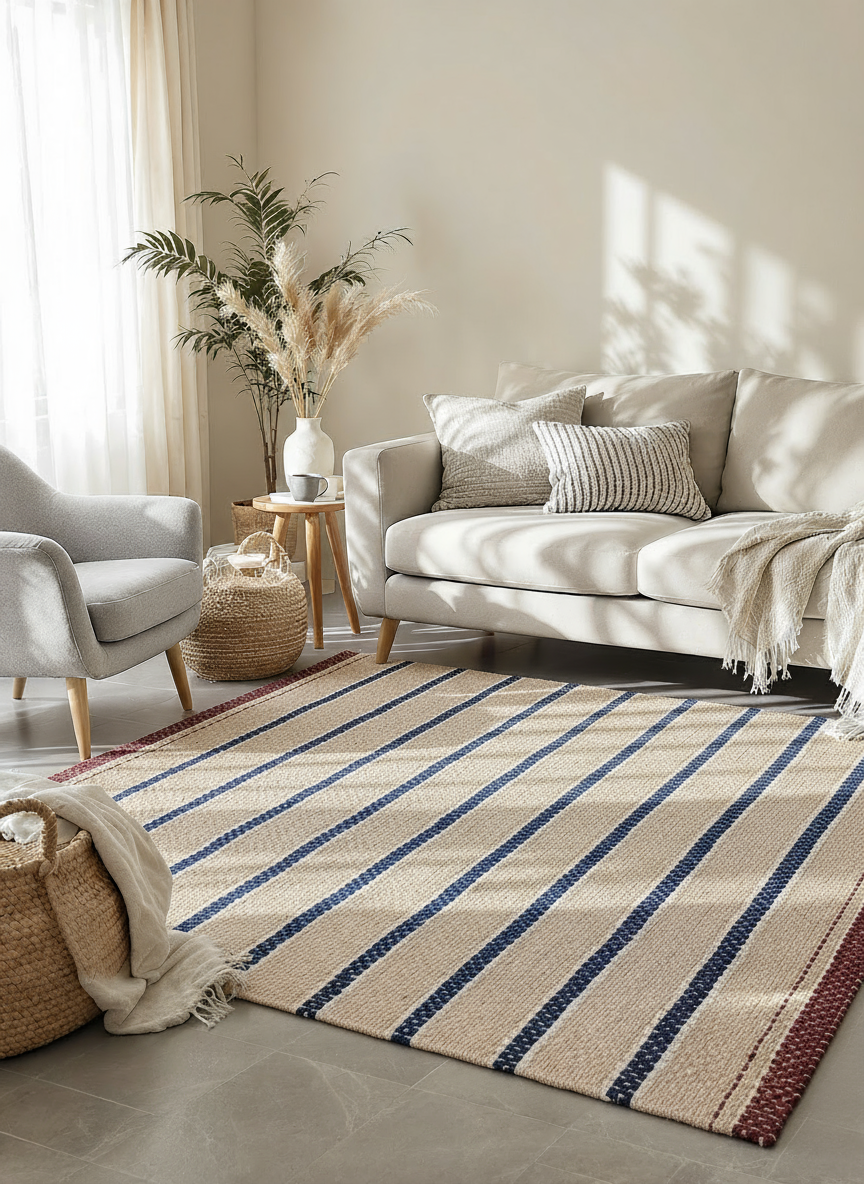
Every jute rug in this collection is listed at its own exact size in feet and inches. Measure your room first, then check the listing against these rules:

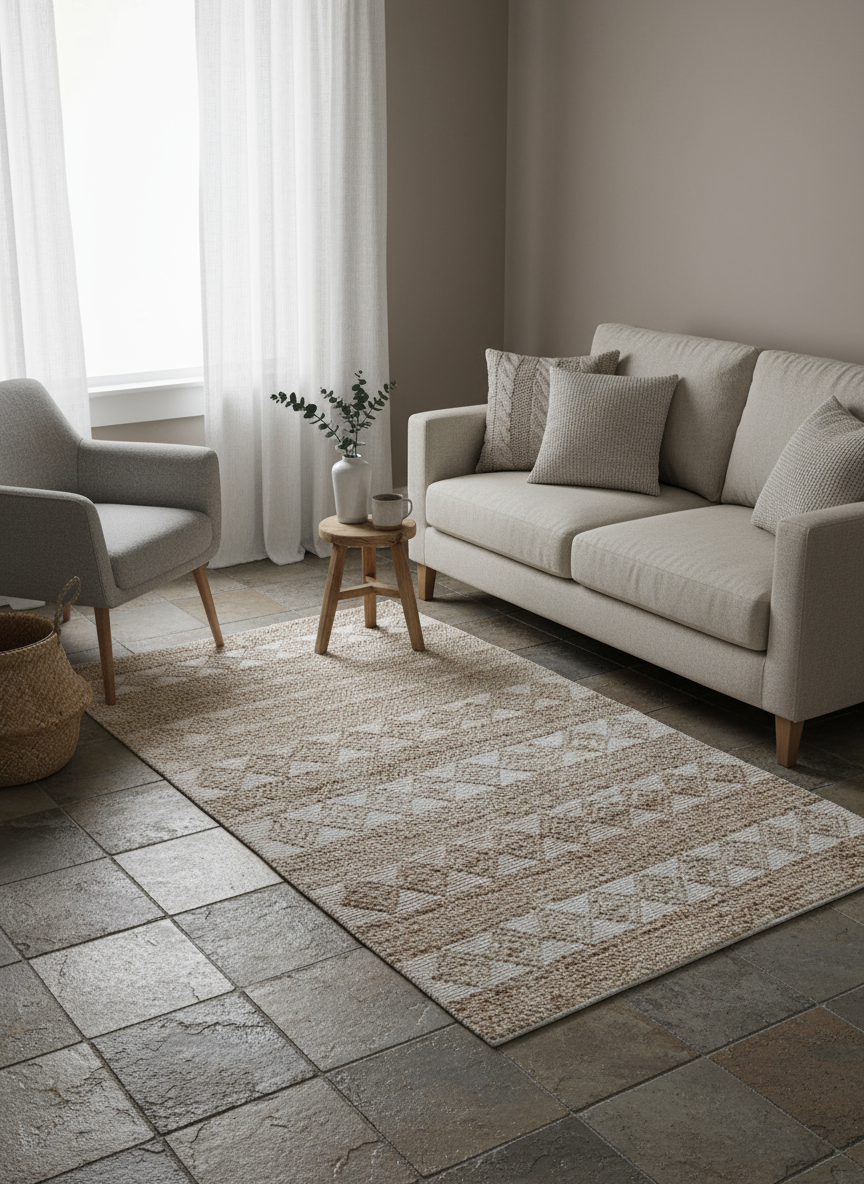
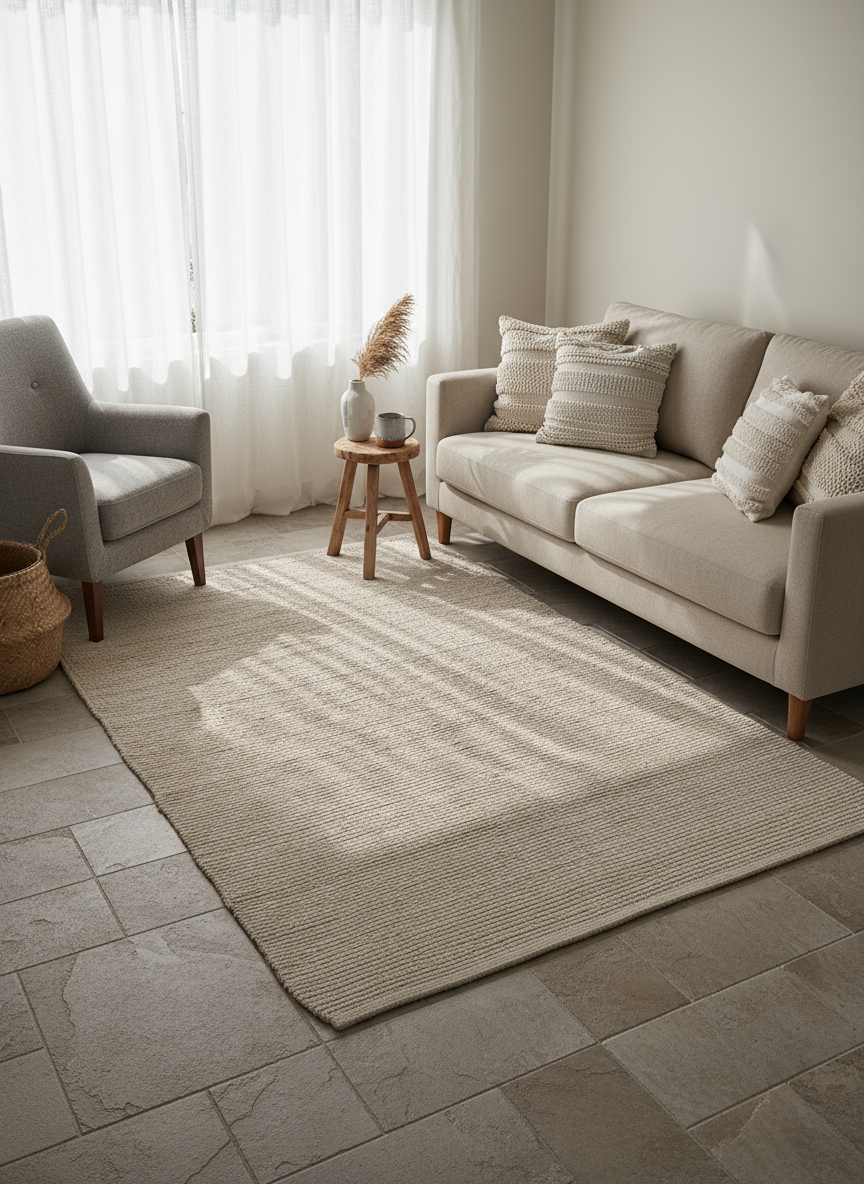
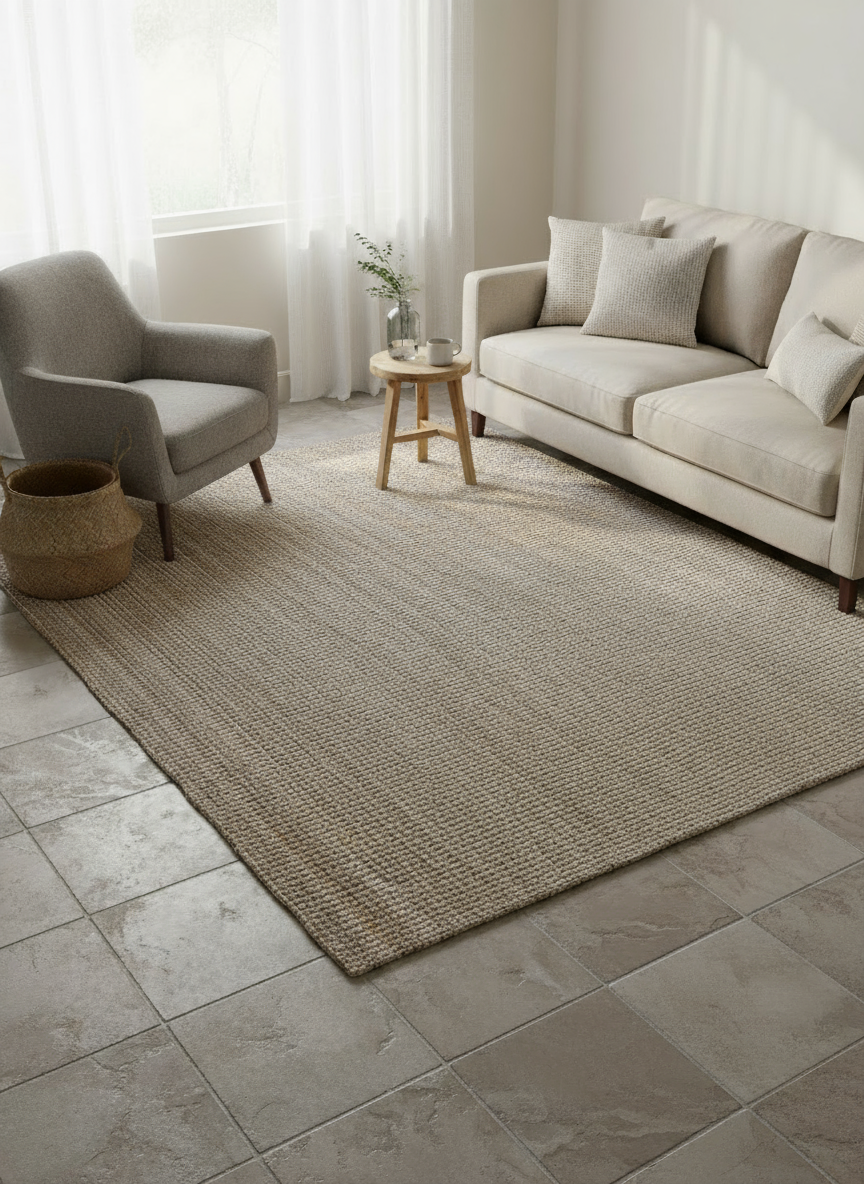
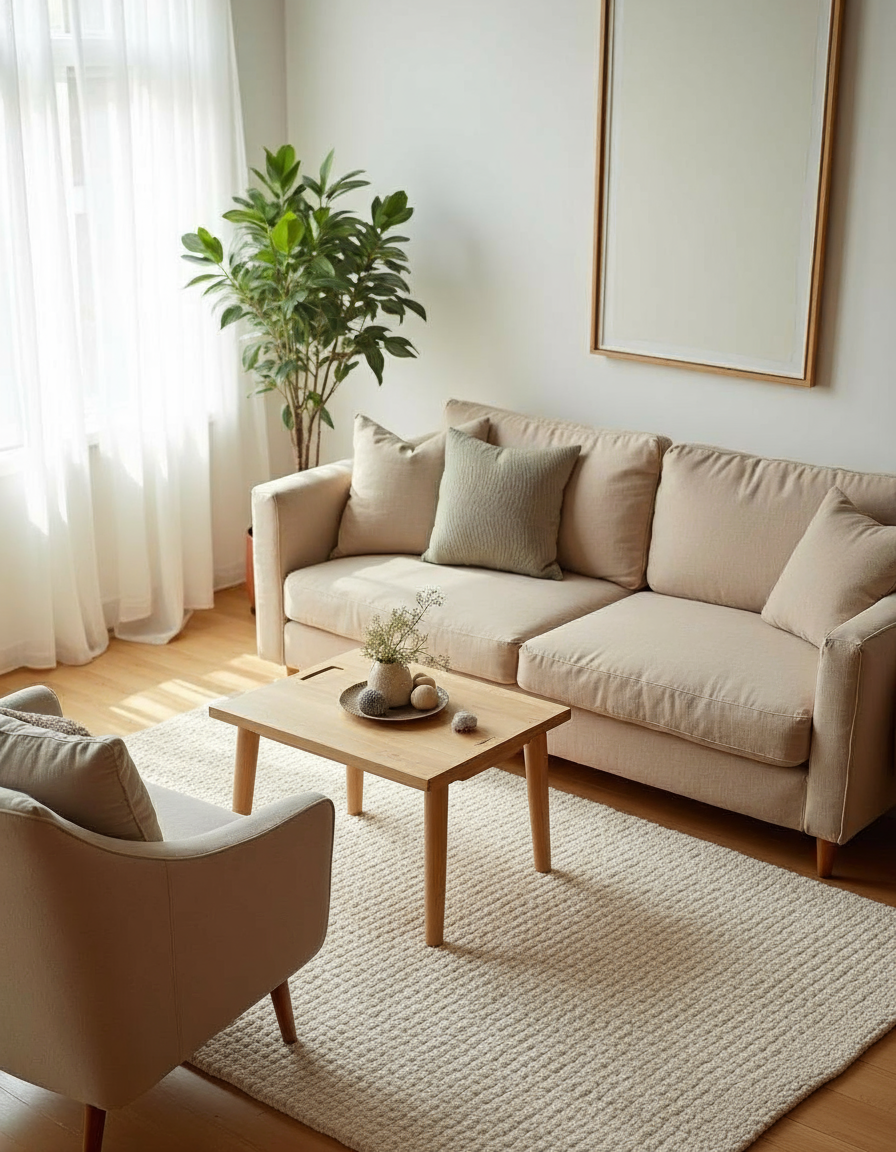
  • Living room: the rug should be large enough for at least the front legs of every sofa and chair to rest on it.
  • Dining room: extend the rug at least 2 feet (60 cm) past the table on every side, so chairs stay on the rug when pulled out.
  • Bedroom: extend the rug at least 2 feet (60 cm) beyond each side of the bed, or place it under the lower two-thirds of the bed.
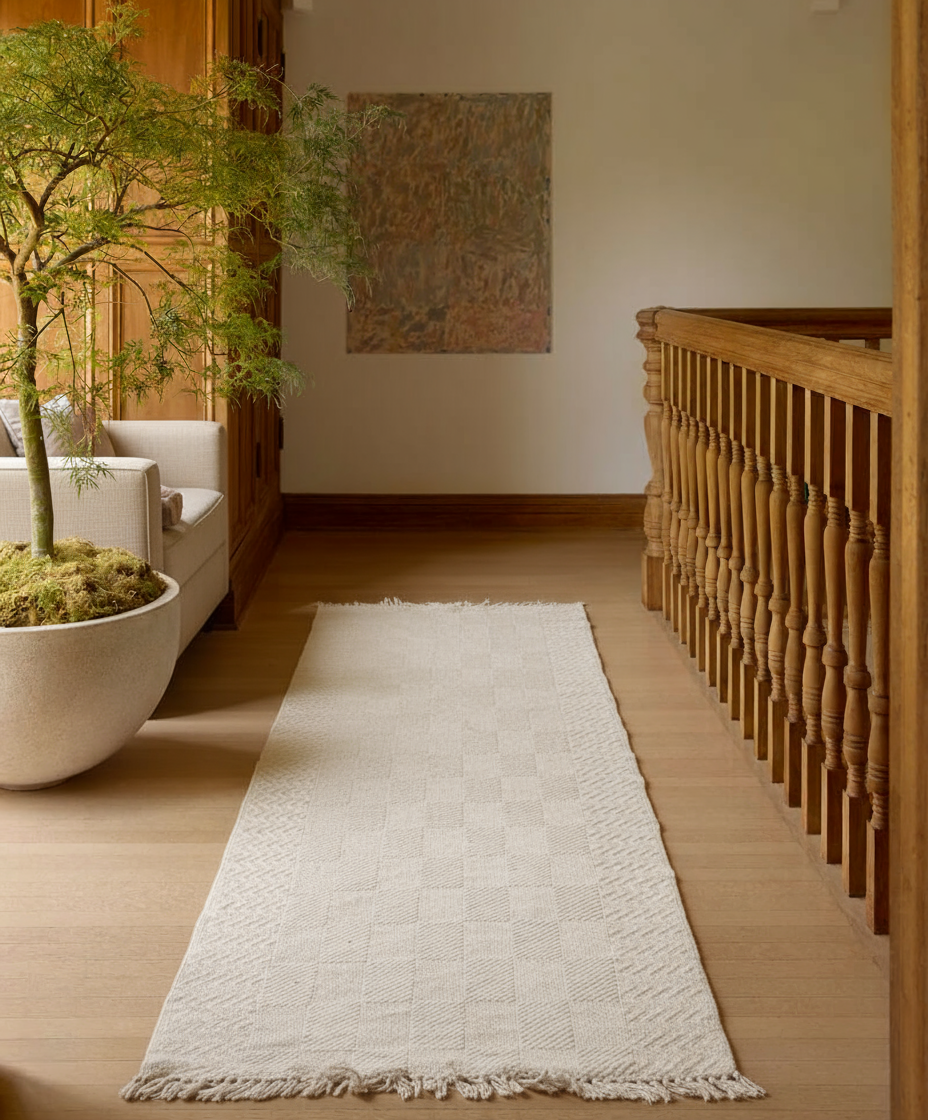
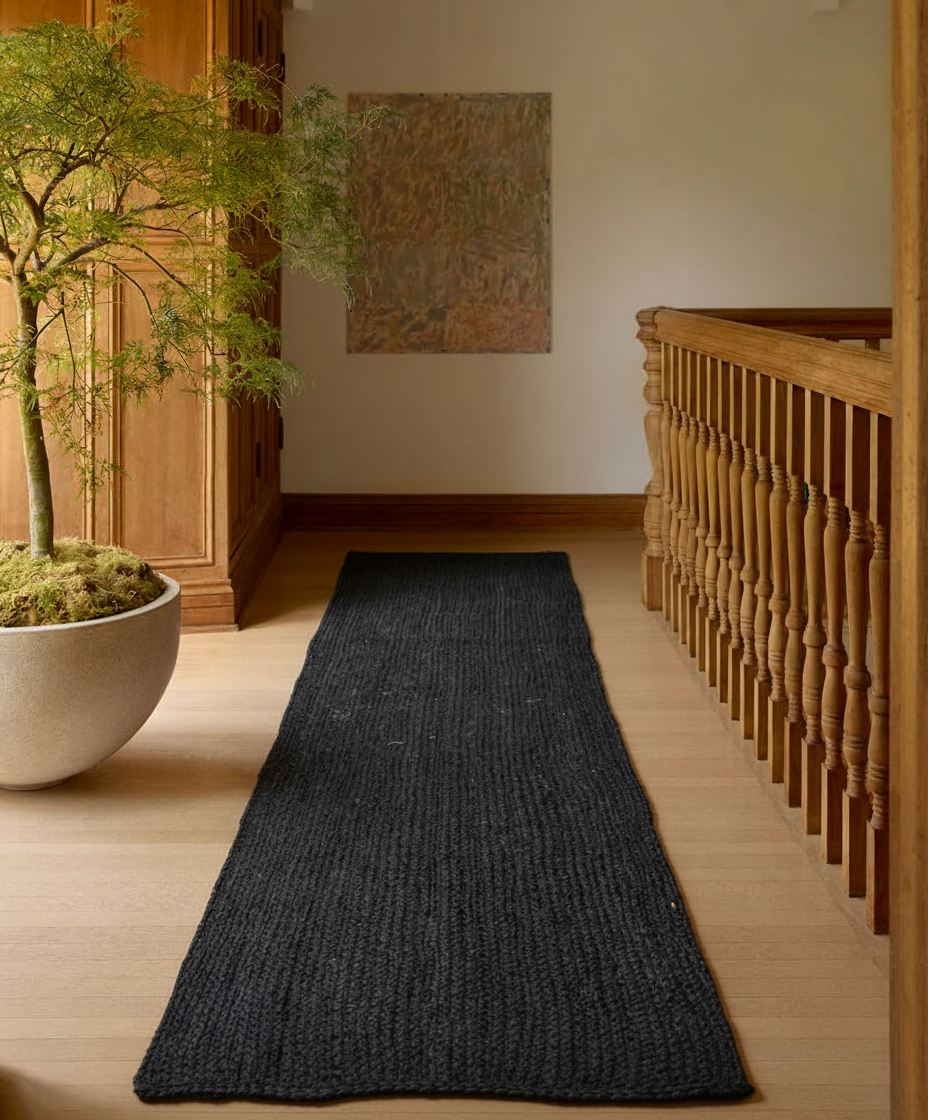
  • Hallway: choose a runner that leaves a few inches of floor showing on each side.

Round Jute Rugs

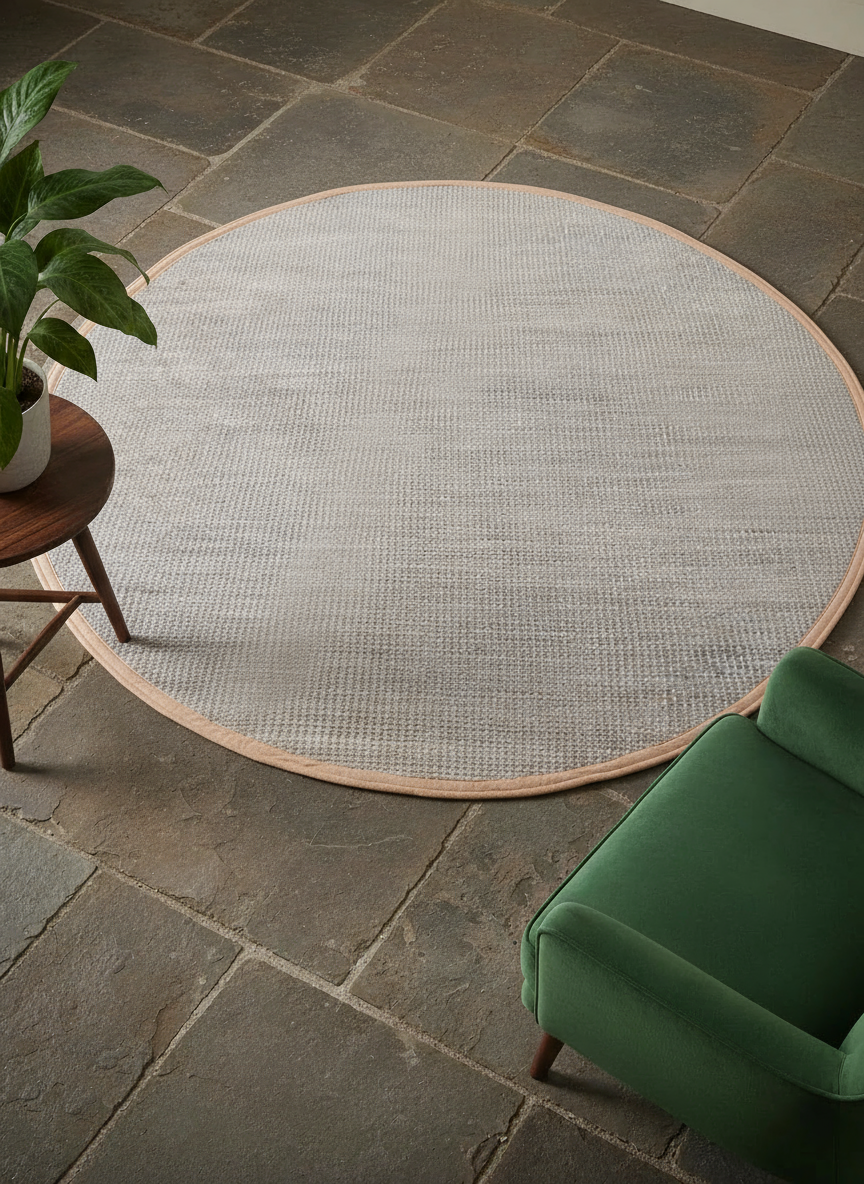
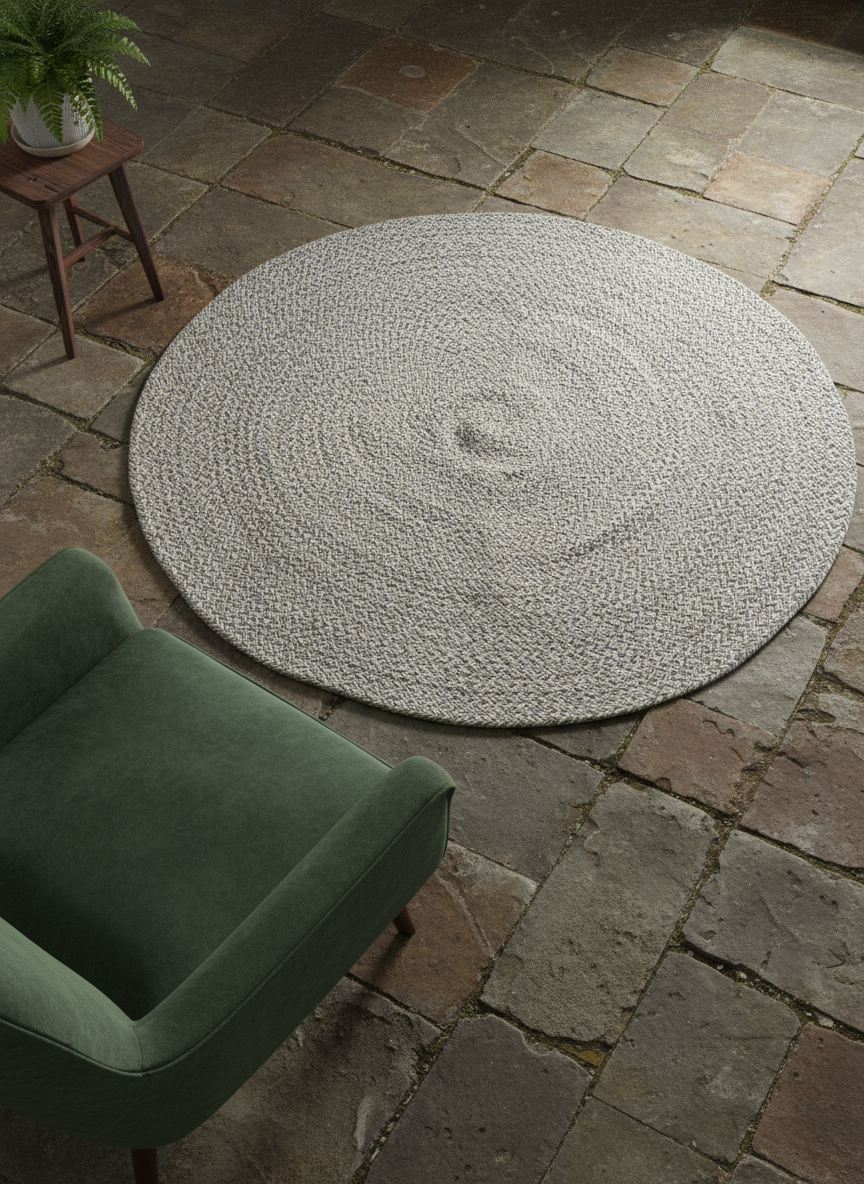
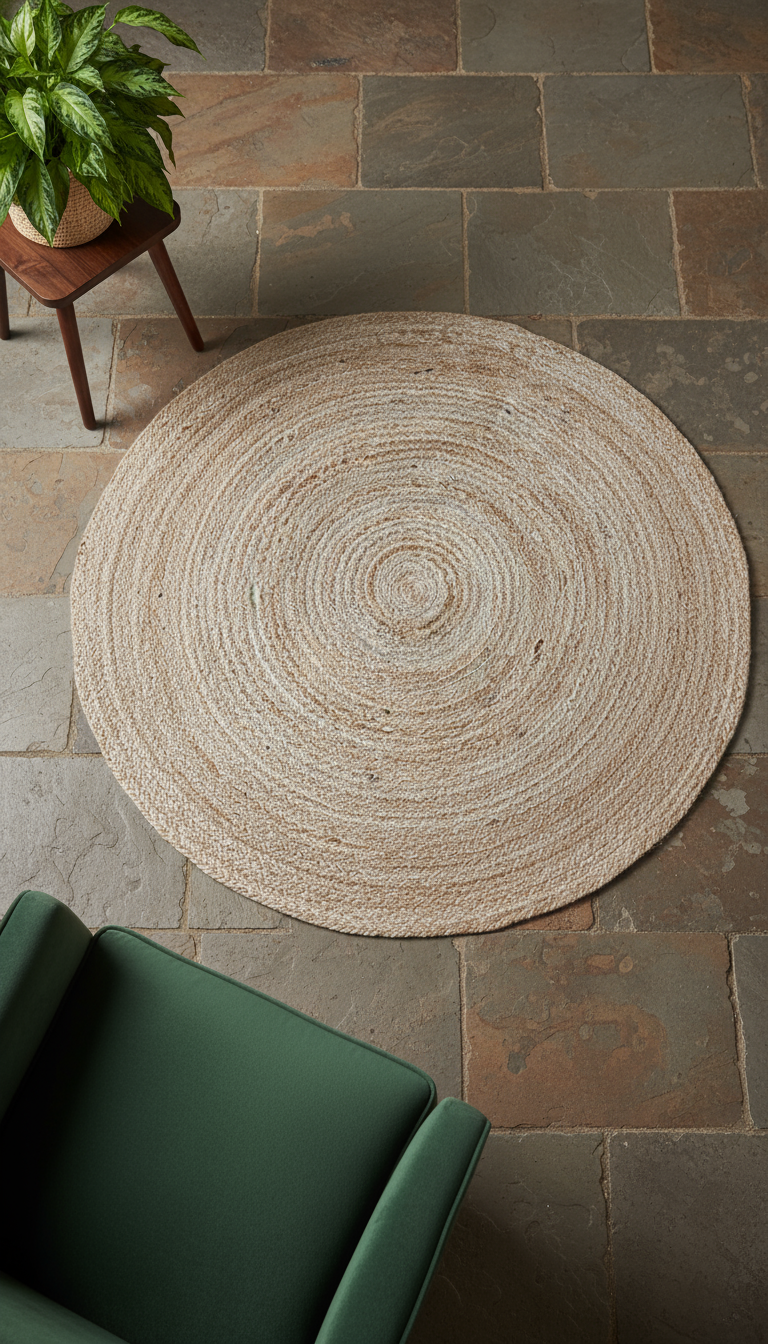
A round jute rug suits a reading corner, an entryway, or the floor under a round dining table. For a dining table, pick a diameter at least 4 feet wider than the table so chairs stay on the rug when pulled out. Use the shape filter on this page to see the round jute rugs currently available.

Jute Rug in the Bedroom

Do not limit jute rugs to the living room. Placed under the bed, a jute rug adds warmth and texture to a bedroom, and its soft fibre feels good underfoot in the morning.

Jute is a natural fibre, so it needs a different routine from a synthetic rug. These are the essentials.

Regular Vacuuming

Vacuum your jute rug regularly to stop dust and grit settling into the fibres. Use suction only or a brush attachment, and switch off any rotating beater bar.

Blot, Don't Rub

In case of spills, blot the area at once with a clean, dry cloth. Rubbing pushes the liquid deeper and spreads the stain.

Rotate for Even Wear

Rotate your jute rug every six months so no one area takes all the wear.

Do jute rugs shed?

Yes, a new jute rug sheds loose fibre, most noticeably in the first few weeks. Vacuum with suction only and the shedding settles as the loose fibre is removed. Shedding does not mean the rug is faulty.

Can jute rugs get wet?

No. Jute absorbs water, and a wet jute rug can stain brown, warp and grow mould. Keep it out of bathrooms, kitchens near the sink, and outdoors. If it does get wet, blot it, stand it up or lay it flat with air moving over both sides, and let it dry fully before it goes back on the floor.

Jute holds up well in living rooms, bedrooms and hallways with normal household use. It is a softer fibre than sisal, so on a stair, or in an entrance that sees wet shoes and constant traffic, a harder-wearing fibre such as sisal is the better match. A rug pad and a six-monthly rotation slow wear in any room.

Both are plant fibres woven into rugs, and they differ in these ways:

  • Feel: jute is finer and softer underfoot. Sisal is coarser and stiffer.
  • Wear: sisal is the harder-wearing fibre. Jute suits normal traffic.
  • Colour: jute has a warm, golden-brown tone and takes overdyeing well, which is why you will find overdyed jute here. Sisal is paler and holds dye less easily.
  • Moisture: neither belongs in a bathroom or outdoors. Keep both dry.
  • Best rooms: jute for bedrooms, living rooms and under dining tables. Sisal for hallways and stairs.

Q: What are jute rugs made of?
A: Jute rugs are made from jute, a fibre taken from the stem of the jute plant. The fibre is spun into yarn, then braided, flat-woven or looped into a rug. Some rugs here are dyed after weaving, which is what "overdyed" means.

Q: Do jute rugs shed?
A: Yes. A new jute rug sheds loose fibre, mostly in the first few weeks. Vacuum with suction only, without a beater bar, and it settles.

Q: Can jute rugs get wet?
A: No. Jute absorbs water and can stain, warp and grow mould when wet. Blot spills at once and dry the rug completely, with air moving over both sides.

Q: Are jute rugs good for high-traffic areas?
A: They suit normal household traffic in living rooms, bedrooms and hallways. For stairs or a wet entrance, sisal wears harder. Use a rug pad and rotate the rug every six months.

Q: What is the difference between jute and sisal rugs?
A: Jute is softer, finer and warmer in tone, and takes dye well. Sisal is coarser and wears harder. The comparison above sets them side by side.

Q: Can jute rugs be used outdoors?
A: No. Jute is made for indoor use. Damp air is enough to cause mould, so keep jute away from patios and decks, covered or not.

Q: Are jute rugs suitable for homes with pets?
A: Yes, with care. Claws can catch on looped constructions, so a flatweave or braided jute rug is the safer pick. Jute soaks up liquid, so blot pet accidents at once.

Q: Do jute rugs need a rug pad?
A: A rug pad is a good idea. It stops the rug slipping and adds cushioning under foot. It is not mandatory.

Q: How do I remove a stubborn stain from a jute rug?
A: Blot up as much as you can first. Then dab with a barely damp white cloth and a drop of mild detergent, blotting rather than rubbing, and dry the area quickly with a fan. Test a hidden corner first, never soak the rug, and contact us before treating a large stain.